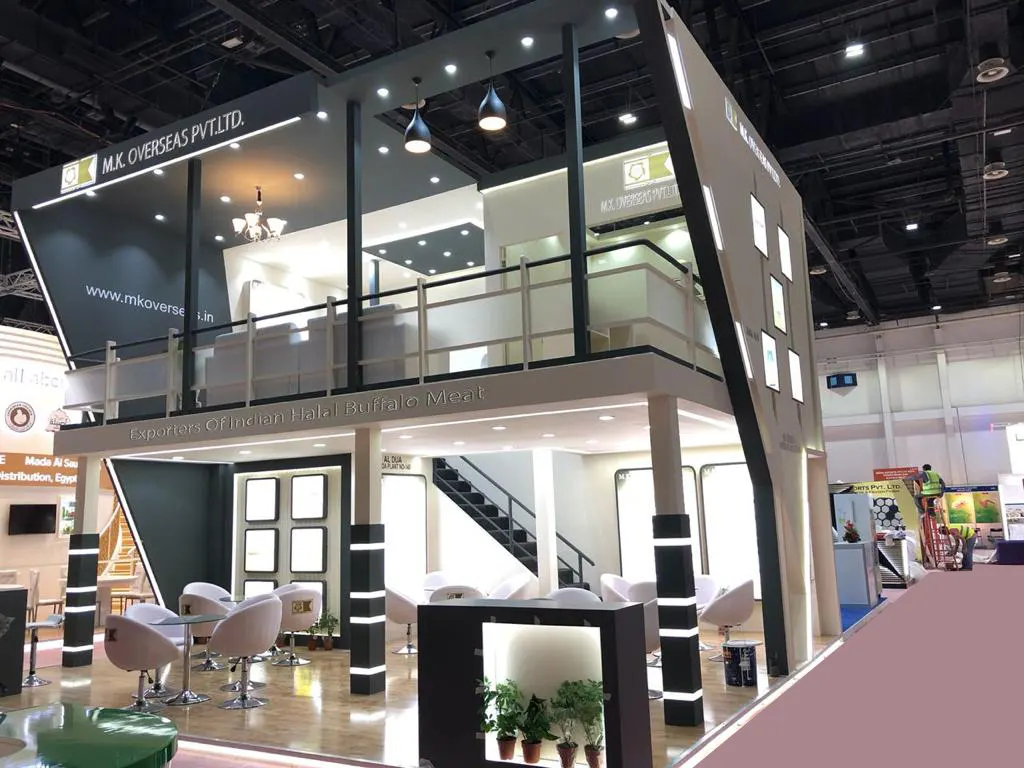
Published market research points to Semiconductors, Software, Aerospace and Defense, Biosciences, Healthcare Innovation, Advanced Manufacturing as recurring demand drivers, which helps explain why the strongest recommendations around the exhibits tend to emphasize audience fit, demo style, and venue practicality rather than generic sales language.
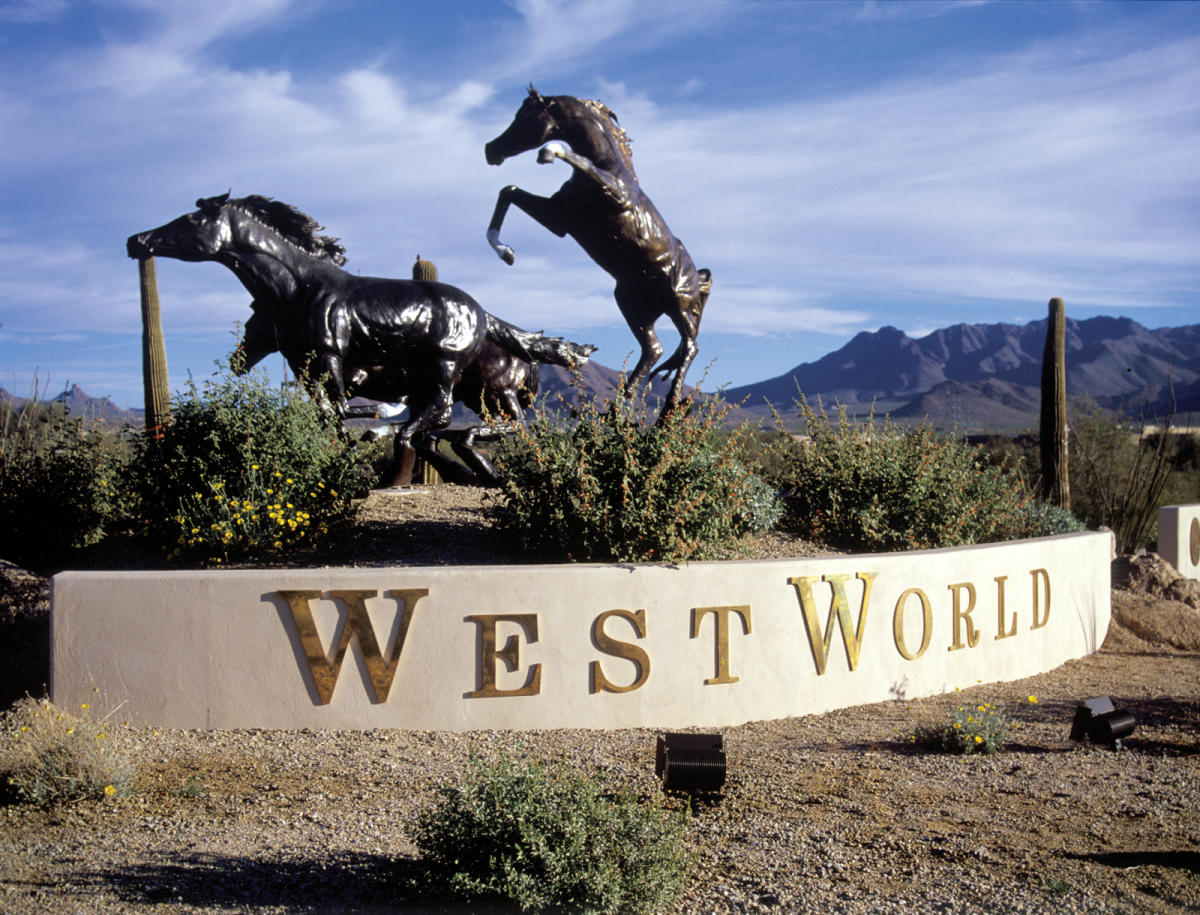
Representative venues surfaced by the research include WestWorld of Scottsdale, Equidome, Monterra, the North Hall, the South Hall, the Arenas, which gives the route a real operating context instead of recycled copy.
Execution priorities
- Market signal: Semiconductors
- Market signal: Software
- Market signal: Aerospace and Defense
- Market signal: Biosciences
- Market signal: Healthcare Innovation
- Market signal: Advanced Manufacturing
- Representative venue: WestWorld of Scottsdale
How Double Deck Exhibits fits the Scottsdale market
The exhibits makes more sense when it is viewed inside the wider Scottsdale market rather than as an isolated keyword target. The research bundle points to different venue clusters, event districts, and buyer groups across the metro, so the route should help users understand where the exhibits sits inside that system.
The demand drivers most visible in the research bundle are Semiconductors, Software, Aerospace and Defense, Biosciences, Healthcare Innovation, Advanced Manufacturing, and each one changes the way floor plans, demonstrations, meeting schedules, and lead capture should be prioritized. That industry mix is part of what makes the exhibits materially different from more generic show environments.
Operational conditions that change the plan
Even without a long fact sheet, the bundle still shows that planning quality depends on matching the route to real venue constraints, not simply to a city name. The route should therefore orient users around observable conditions instead of blanket promises.
Related districts and fallback geographies include Scottsdale, AZ, Old Town Scottsdale, AZ, South Scottsdale, AZ, North Scottsdale, AZ, Scottsdale Airpark, AZ, McCormick Ranch, Scottsdale, AZ, which helps users understand the practical alternatives if dates, budgets, or attendee travel patterns push the program away from the original target.
Planning priorities that should be set early
The strongest routes make the early priorities explicit.
For many users, the practical question is not whether the topic matters at all, but where it matters most. In this market the answer often depends on venues such as WestWorld of Scottsdale, Equidome, Monterra, the North Hall, the South Hall, the Arenas, because each one changes the required footprint, staffing pattern, and tolerance for complexity.
Budget, scheduling, and risk controls
On non-venue routes, risk control mostly comes from matching the service or format to the chosen building early enough that power, rigging, labor, graphics, and move-in windows are being scoped against the right environment.
The safest pages are honest about that.
What a strong brief should include
If drawings, exhibitor kits, room assignments, or previous-show photos already exist, they should be shared early because they remove guesswork and make it much easier to recommend the right footprint and sequencing assumptions. Even a partial packet often reveals whether the route needs a convention-center mindset, a hotel-meeting approach, or something more experiential.
That information keeps the conversation tied to real operating conditions around the exhibits instead of drifting into generic suggestions that do not respect the venue, schedule, or audience.
- Event dates and likely venue or district
- Estimated booth size, room count, or activation footprint
- Audience profile and the main event objective
Frequently asked questions
How early should Double Deck Exhibits planning start?
Early enough to confirm the venue or district, the footprint, and the operating goal before the schedule hardens. Once those inputs are clear, the route can support a more realistic recommendation around layout, timing, and sequencing.
Why does this work need route-specific copy instead of a citywide summary?
Because venue mix, district behavior, and audience expectations change too much across the market. A useful route should help someone understand what is materially different about this specific topic in this specific place.
What details are most important in the first brief?
Dates, likely venue or district, footprint, audience type, and the result the program needs to deliver. Those details shape layout choices, scheduling assumptions, and how the route should interpret the market context.
Can the route still help if the venue is not final yet?
Yes.
What should happen after the initial recommendation?
The next step is usually a more exact scope review using the venue information, room assignments, floor plan, or exhibitor documents already available so the planning advice can move from general direction into a tighter working brief.