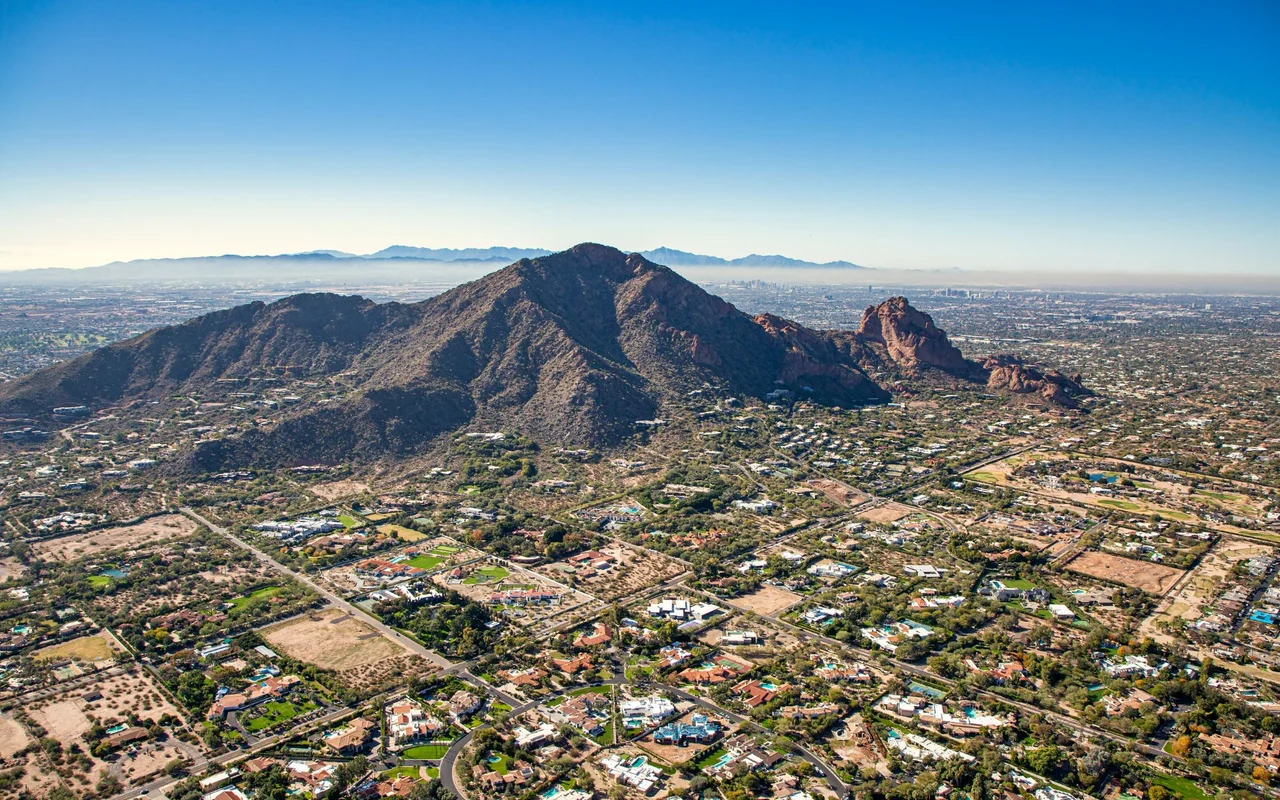
Paradise Valley has no convention center and no zoning for one; the town caps building heights and keeps commercial footprint deliberately small, so program activity here is almost entirely private, invitation-based, and staged inside resort ballrooms, courtyards, and event lawns rather than in exhibit halls.
The resorts that anchor this corridor, including JW Marriott Scottsdale Camelback Inn Resort & Spa, The Phoenician, and Omni Scottsdale Resort & Spa at Montelucia, run their own meeting and event operations, which changes the planning conversation from booth logistics to load-in windows, service elevators, and loading dock access shared with hotel operations.
When a program needs true exhibit-hall square footage, dock-high freight access, or a general contracting crew larger than a resort staff can support, the standard move is to shift the show floor eleven miles north to WestWorld of Scottsdale and keep Paradise Valley as the lodging and VIP-hospitality base.
Execution priorities
- Resort ballroom and courtyard load-in coordination
- VIP hospitality staged along the Camelback Road corridor
- Freight routing to WestWorld when hall space is needed
- Small-footprint activation builds sized for resort event lawns
- Guest logistics between lodging and off-site show floors
Why Paradise Valley has no exhibit hall of its own
The town's general plan protects low-rise, low-density land use on purpose, which is part of why residents chose to live there, and it means no facility in Paradise Valley was ever built to host trade show floors, drayage docks, or general session seating at scale.
Program work that touches this address is almost always a resort meeting or a private activation, not a floor plan pulled from a hall's exhibitor kit.
That restriction is not an oversight; it is a deliberate planning choice the town has protected for decades, and it means recommendations for this address should start from the resort-meeting model rather than assume a hall exists somewhere nearby.
Resort venues that anchor local activity
JW Marriott Scottsdale Camelback Inn Resort & Spa, The Phoenician, and Omni Scottsdale Resort & Spa at Montelucia sit along or near the Paradise Valley boundary and carry most of the meeting and incentive-event volume associated with this district.
Each property has its own event services team, freight elevator schedule, and loading dock rules, so a build crew has to coordinate with hotel operations directly rather than a hall's general service contractor.
Booking any of these three properties means working within the resort's own catering minimums and room-block requirements, which run differently than a hall's exhibitor services manual and usually get finalized earlier in the planning timeline.
When the program belongs at a resort
Executive briefings, incentive-trip general sessions, sponsor dinners, and product reveals sized for a small guest list all fit the resort model well, since the room count, catering, and privacy line up with what these properties already do at scale.
A program under roughly three hundred attendees, with a single general session room and a handful of breakouts, is usually a better fit for a Paradise Valley resort than for a full exhibit hall, both on cost and on guest experience.
When the program needs to move to WestWorld
Once a floor plan calls for dock-high freight, forklift access, tiered booth heights, or several hundred exhibitors, WestWorld of Scottsdale and its North Hall, South Hall, Equidome, and Monterra buildings become the practical answer rather than trying to force that scale into a ballroom.
The drive from Camelback Road to WestWorld runs roughly twenty to twenty-five minutes depending on the route, which keeps guest lodging in Paradise Valley viable even when the show floor sits elsewhere.
Some organizers deliberately split the program this way on purpose, using a Paradise Valley resort for VIP dinners and sponsor hospitality while the working show floor runs at WestWorld during the day.
Freight and drayage across the corridor
Resort loading docks were built for banquet and catering volume, not container freight, so advance shipments bound for a resort program get staged and broken down off-site before final delivery to protect the dock schedule hotel operations still needs for daily guest service.
That staging step also protects delivery timing, since a resort dock can only absorb a handful of trucks in a given window before it interferes with the property's own food and beverage operation.
A dedicated marshaling yard in the broader Scottsdale corridor typically handles the breakdown work, releasing pallets to the resort dock in small batches timed to the property's own housekeeping and catering schedule rather than in one large delivery.
Guest movement and shuttle planning
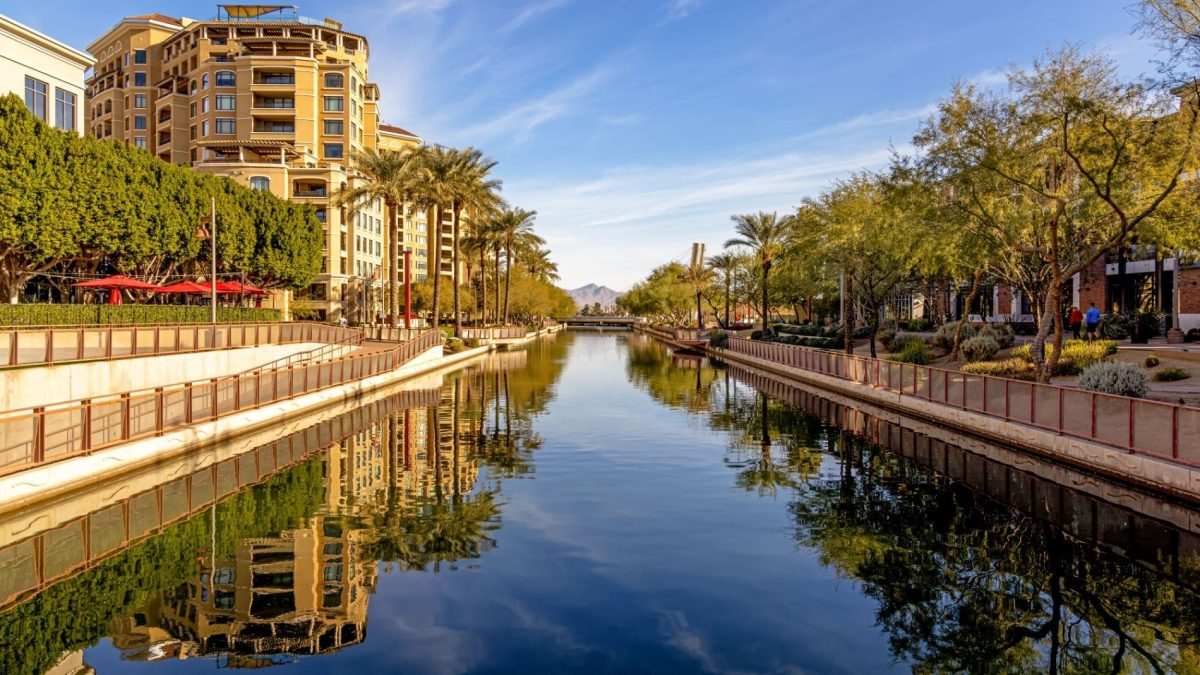
Programs that split time between a Paradise Valley resort and a WestWorld show floor need a shuttle plan tied to actual event windows, not a generic loop, since guests moving between lodging and the floor are usually working around meal service and general session start times.
Shuttle timing also has to account for Camelback Road and Scottsdale Road traffic during weekday commute hours, which can add ten to fifteen minutes to an otherwise predictable run.
Larger programs often run two shuttle tiers, a frequent loop for general attendees and a smaller on-demand option for VIP guests, which keeps the resort's own porte-cochere from backing up during peak departure windows.
AV and staging inside resort spaces
Resort ballrooms carry lower ceiling heights and different rigging points than exhibit halls, so LED walls, truss, and stage builds have to be scaled to the room rather than dropped in at hall-standard dimensions, and power drops usually run through house electrical rather than floor pockets.
Sound checks and rehearsal windows also compete with the resort's own daily operations, so AV crews typically get a narrower overnight or early-morning build window than they would inside a dedicated hall.
Sponsor activations on resort grounds
Golf lawns, pool decks, and courtyard spaces at these properties get used for branded activations tied to a larger meeting, and those builds need weatherproofing and turf protection specs that a typical indoor exhibit build does not require.
Ground-protection mats, tent anchoring rules, and irrigation-line awareness all factor into an outdoor resort build in a way they simply don't inside a climate-controlled hall.
Evening activations on these grounds also need to account for course and grounds maintenance schedules, since crews mowing or watering early the next morning need clear access once a build wraps for the night.
Coordinating with hotel operations teams
Every resort in this corridor runs its own event services and engineering department, so a production crew working here reports into that team's schedule for freight elevators, dock windows, and after-hours access rather than a show-site general contractor's timeline.
Getting on that team's calendar early, often sixty to ninety days out, is what keeps a resort build from competing with the property's other weddings, galas, and meetings booked the same week.
Frequently asked questions
Is there an exhibit hall in Paradise Valley itself?
No. Paradise Valley's zoning keeps the town low-rise and low-density, and no property here was built as a convention or exhibit facility. Programs based in Paradise Valley use resort meeting space directly or shift the show floor to WestWorld of Scottsdale, roughly twenty to twenty-five minutes away.
Which resorts handle the most event volume near Paradise Valley?
JW Marriott Scottsdale Camelback Inn Resort & Spa, The Phoenician, and Omni Scottsdale Resort & Spa at Montelucia carry most of the meeting and incentive-event traffic tied to this district, each with its own event services team and dock coordination process that a production crew works within directly.
How far is WestWorld of Scottsdale from Paradise Valley?
The drive from the Camelback Road resort corridor to WestWorld typically runs twenty to twenty-five minutes, which is close enough that guests can lodge in Paradise Valley while the actual show floor operates at WestWorld during the day.
Can a resort ballroom in Paradise Valley handle a full trade show floor?
Generally no. Resort ballrooms are sized and rigged for meetings and banquets, not dock-high freight or tiered exhibit booths, so programs that need true show-floor scale move to a hall like WestWorld and keep a Paradise Valley resort as the lodging and VIP-hospitality base instead.
Who manages freight for a Paradise Valley resort program?
Advance shipments get staged and broken down off-site rather than delivered straight to a resort loading dock, since those docks are built for catering and housekeeping volume and can't absorb container-scale freight without disrupting the property's daily hotel operations.
What kind of programs work best in Paradise Valley?
Executive briefings, incentive-trip general sessions, sponsor dinners, and smaller product reveals fit well, since guest counts under a few hundred, catering needs, and privacy expectations all line up with what these resort properties already deliver at scale.