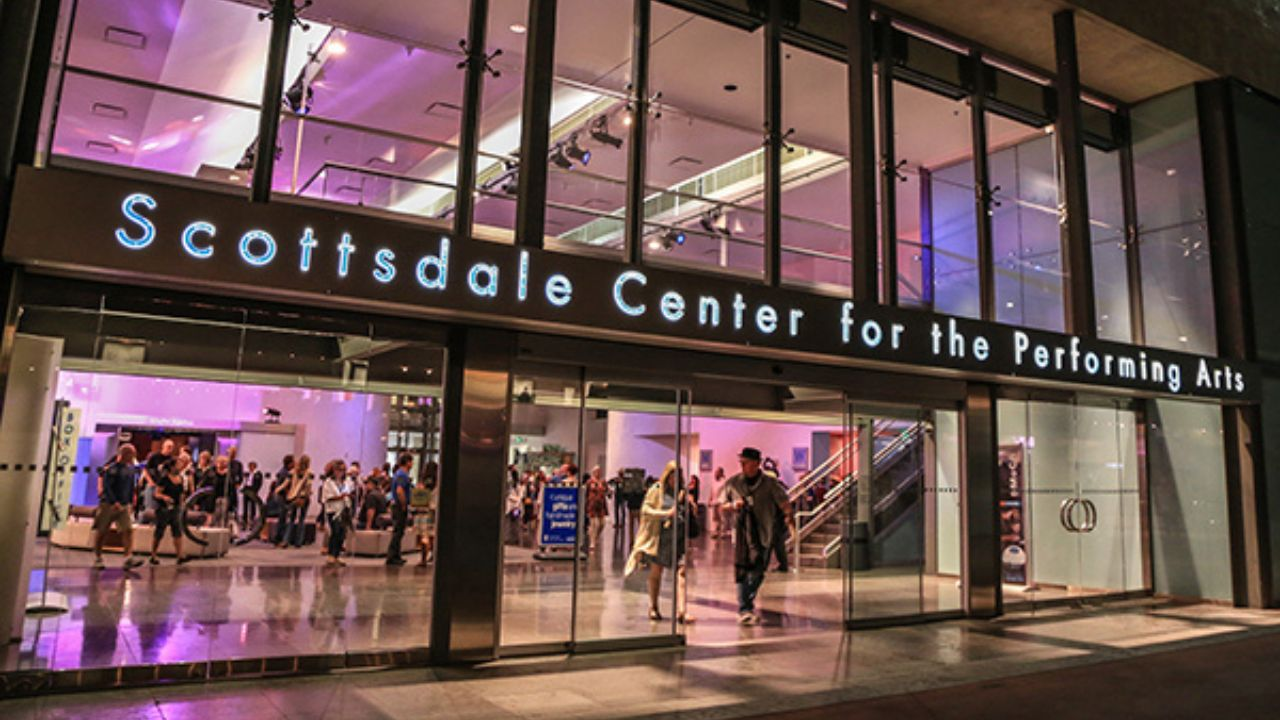
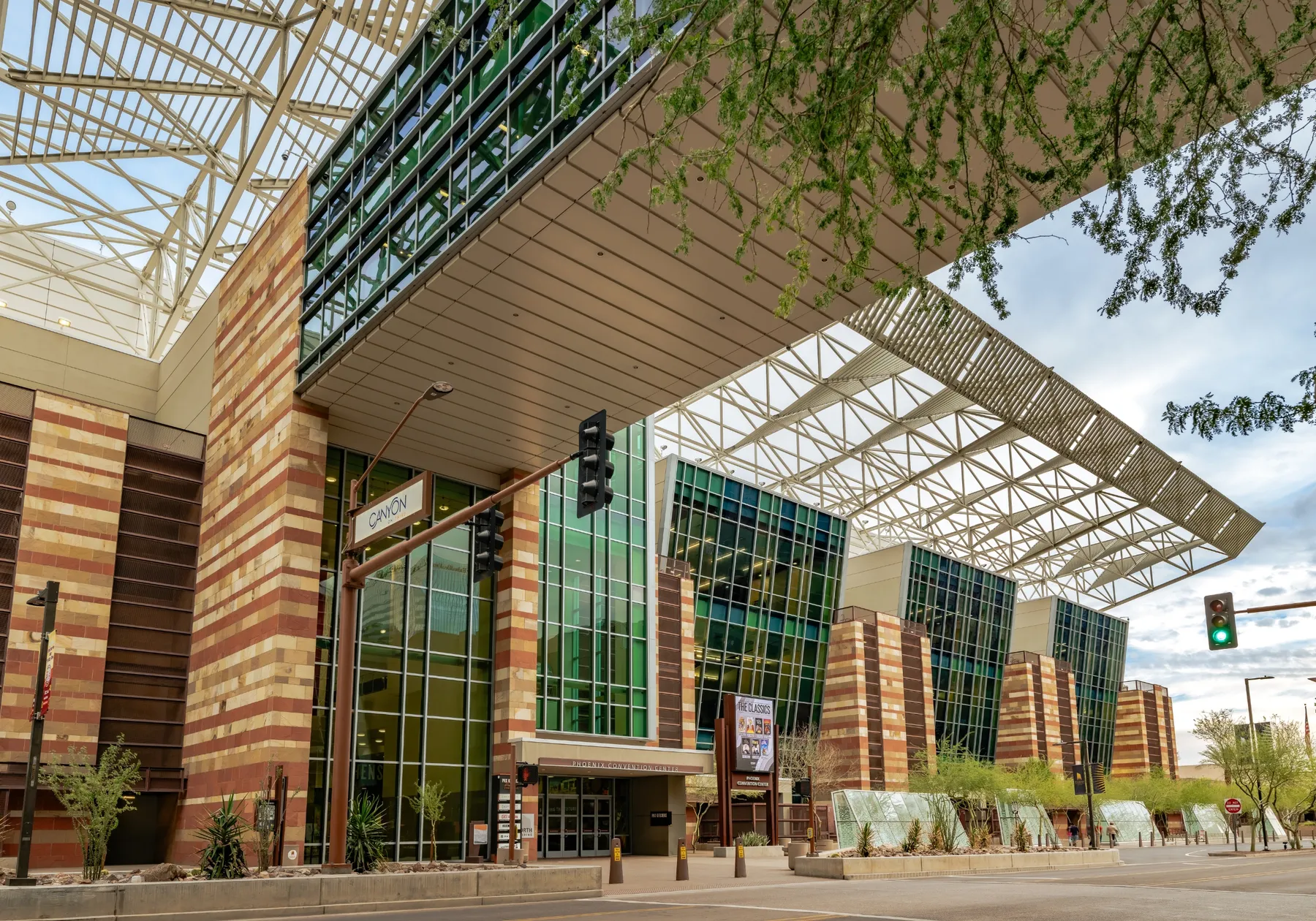
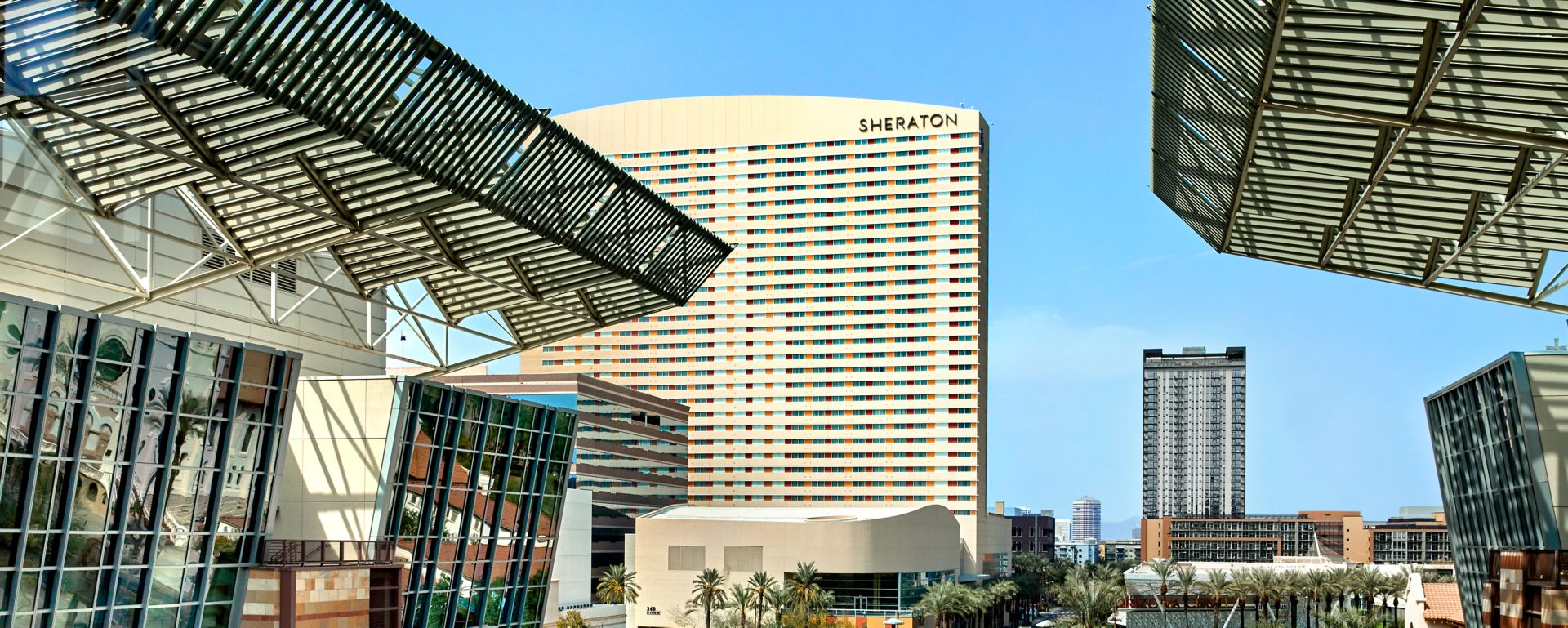
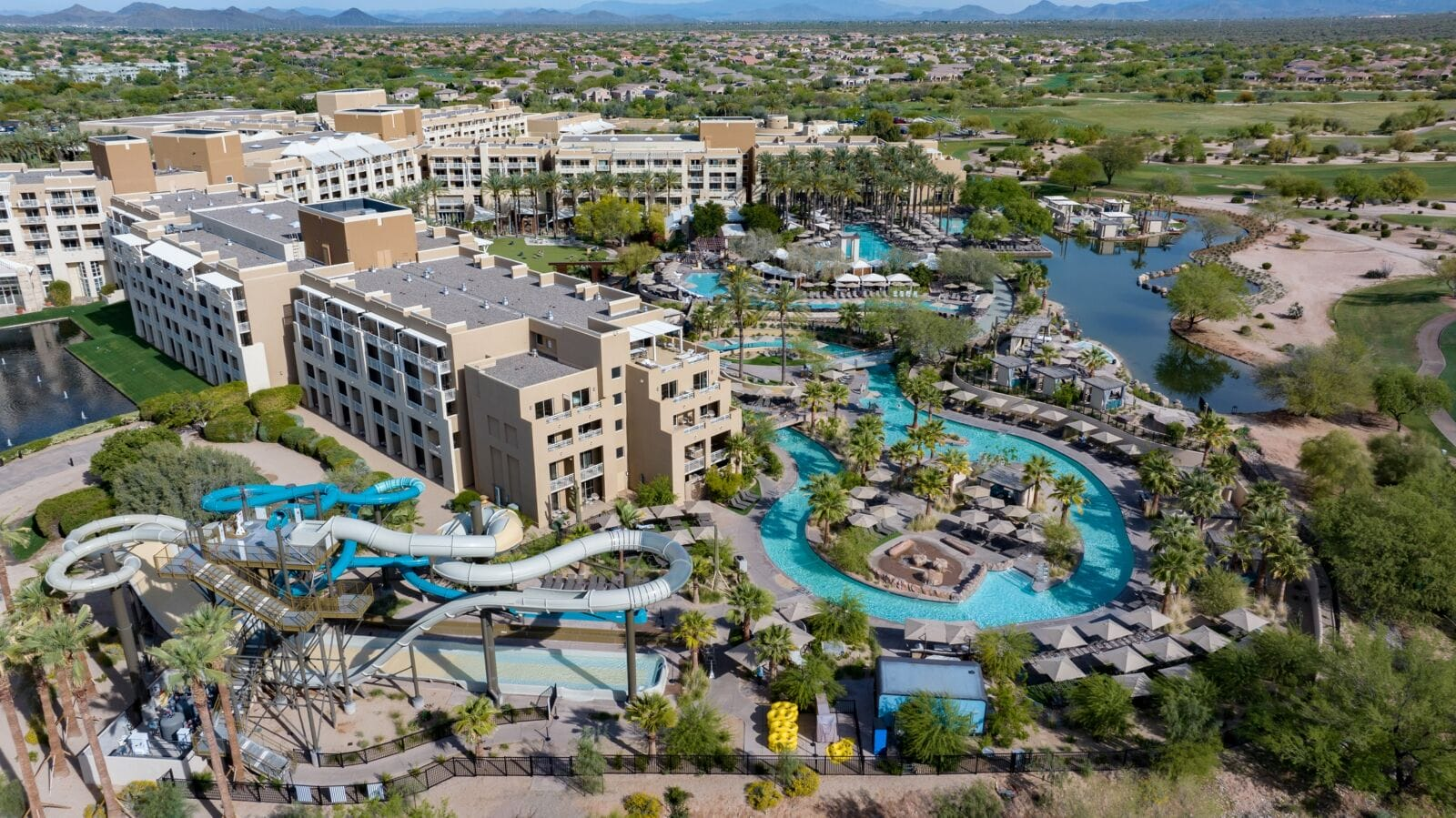
How should venues content differ across Scottsdale?
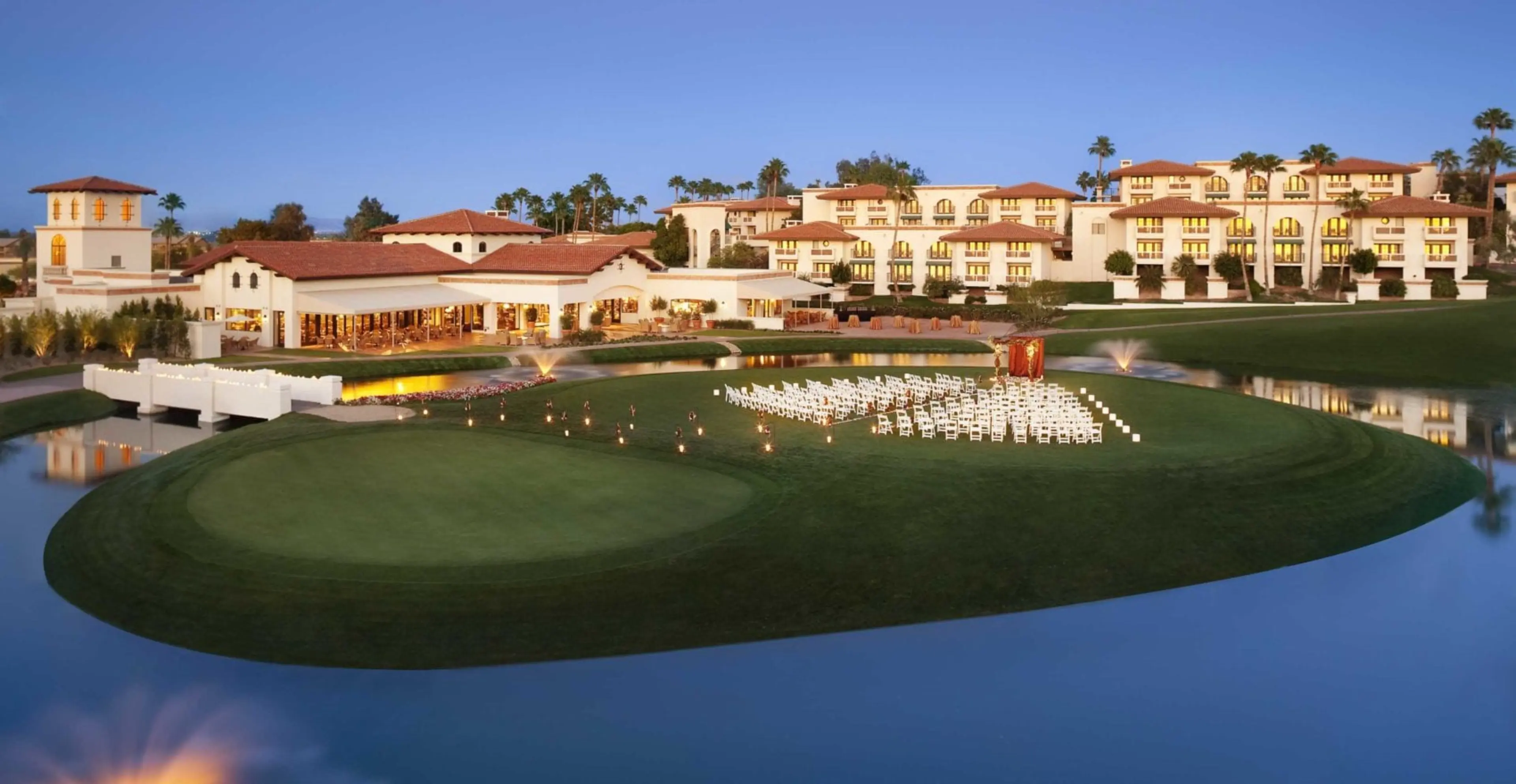
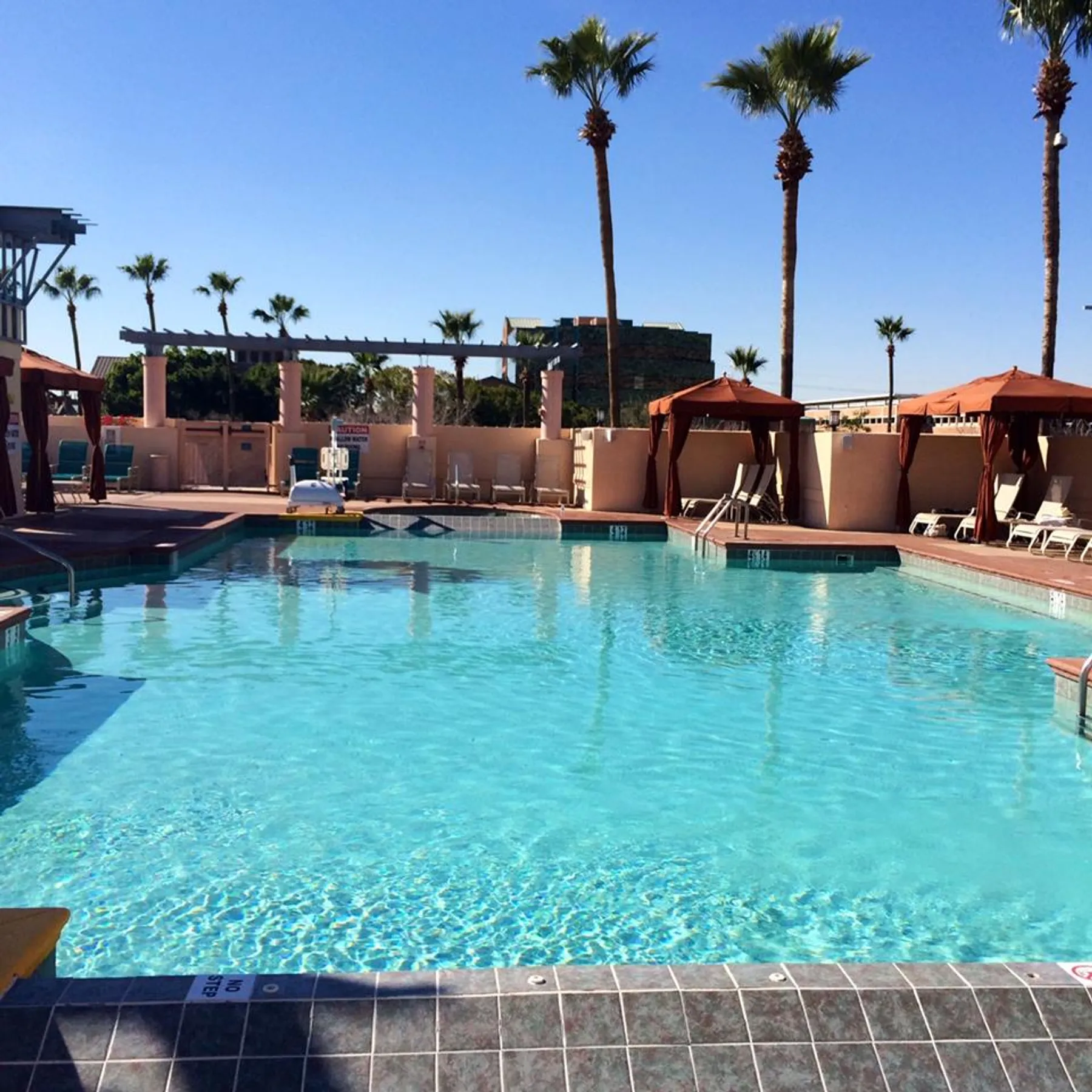
It should follow the district, venue mix, and buyer profile. Downtown convention routes, resort routes, and suburban business routes rarely work with the same planning emphasis.
Venue Playbooks
Venues planning in Scottsdale works best when the route reflects real venue conditions, district differences, and the buyer groups that actually drive show demand.
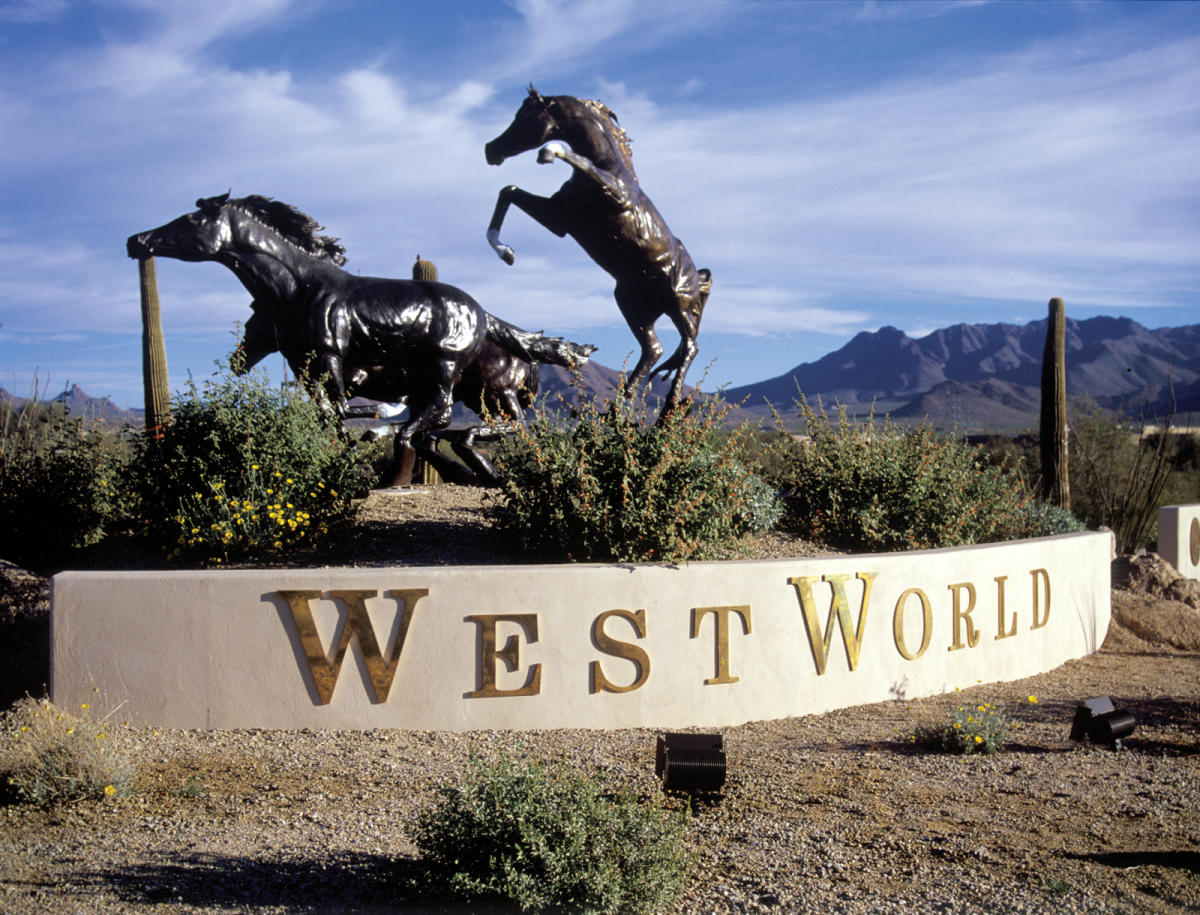
Scottsdale supports a broad set of event environments, and the right venues recommendation depends on the exact district, venue cluster, and event format in play.
The market research highlights Semiconductors, Software, Aerospace and Defense, Biosciences, Healthcare Innovation as recurring demand drivers, so the strongest route content stays tied to those realities rather than interchangeable local SEO filler.
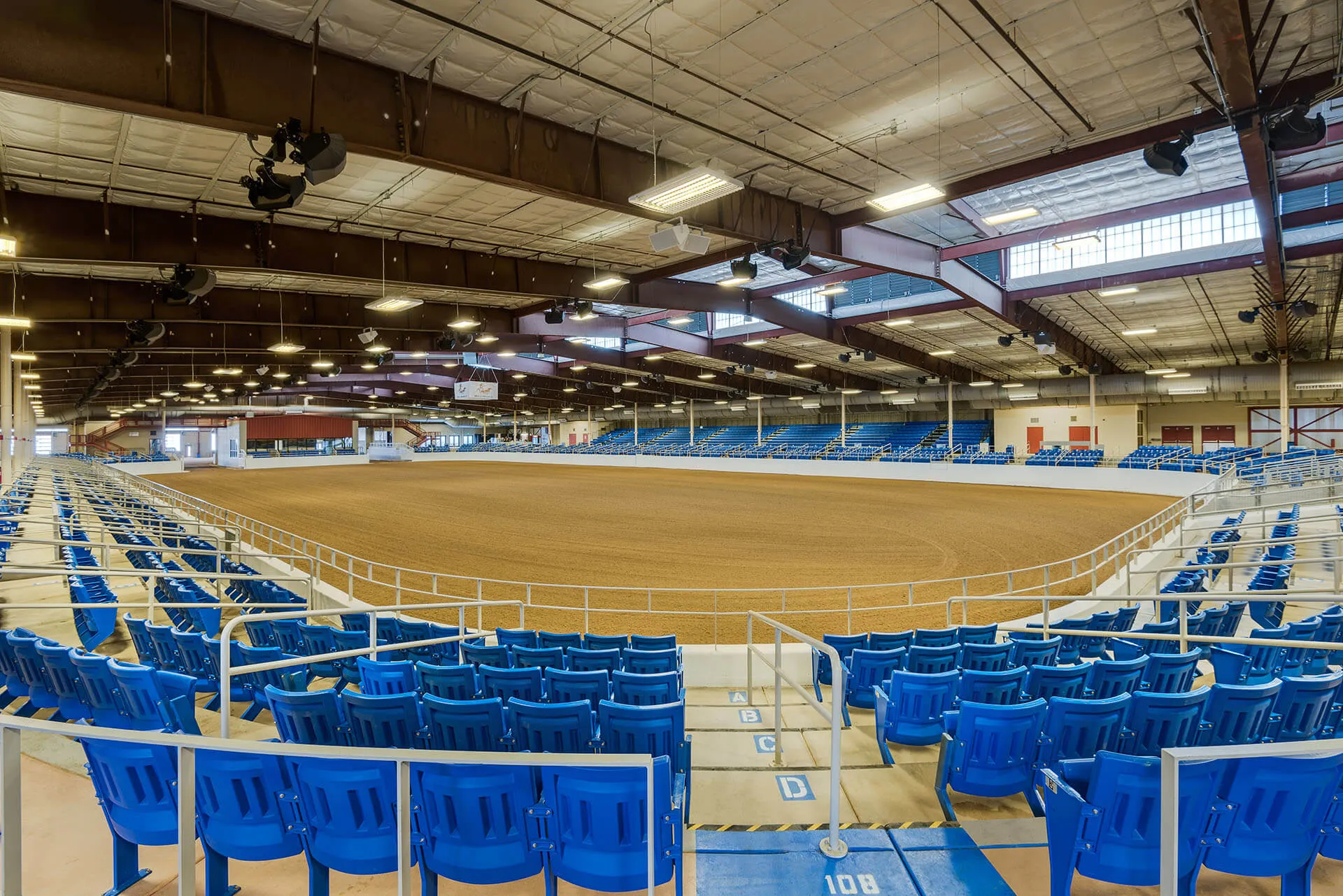
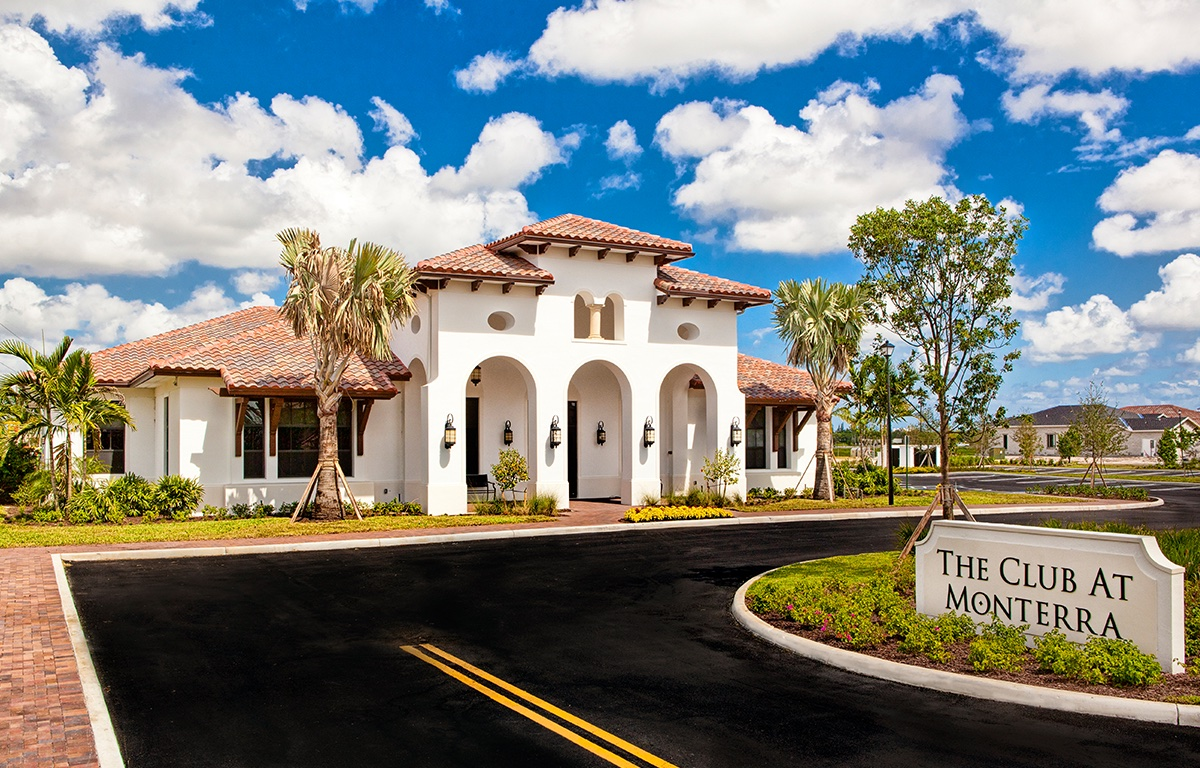
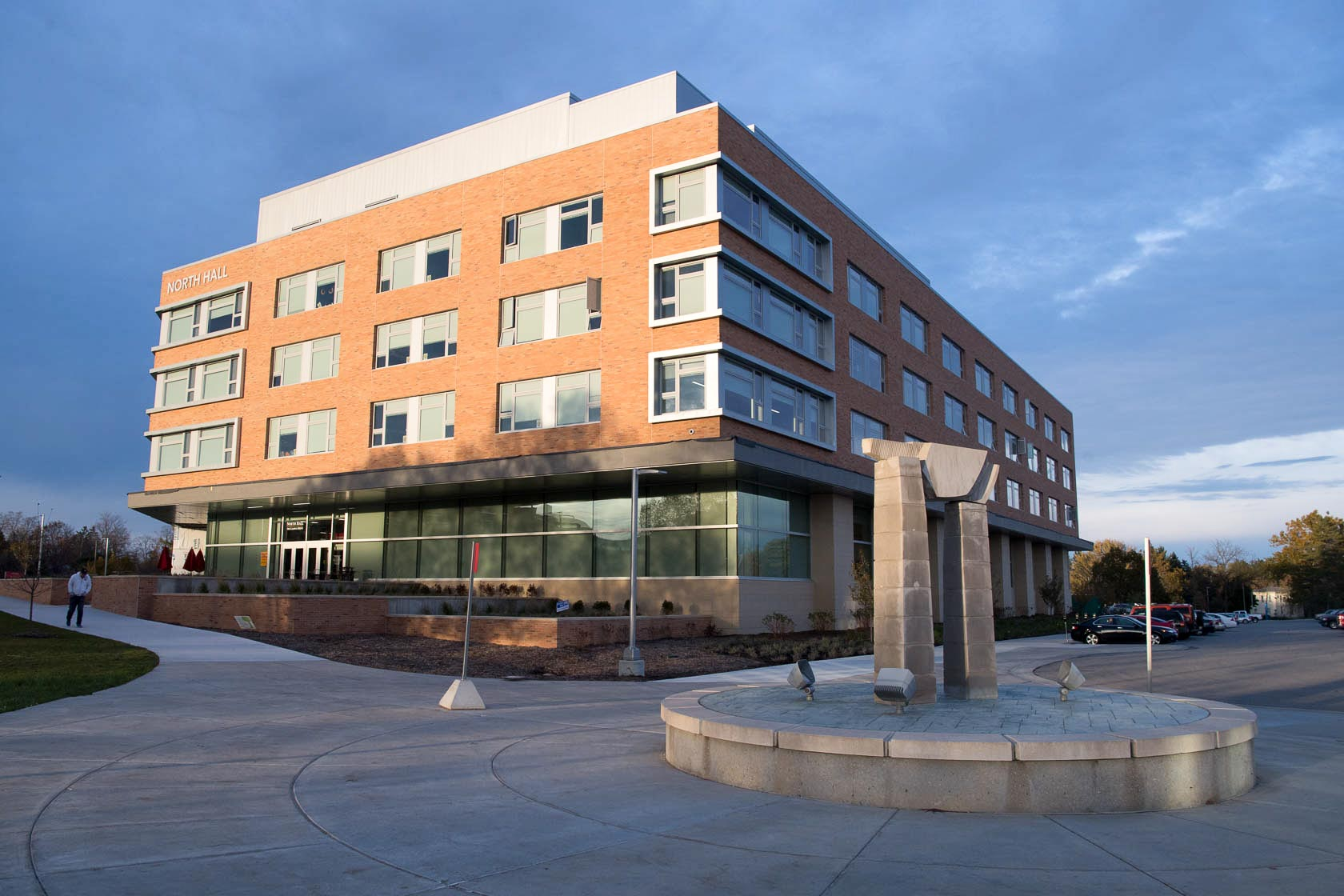
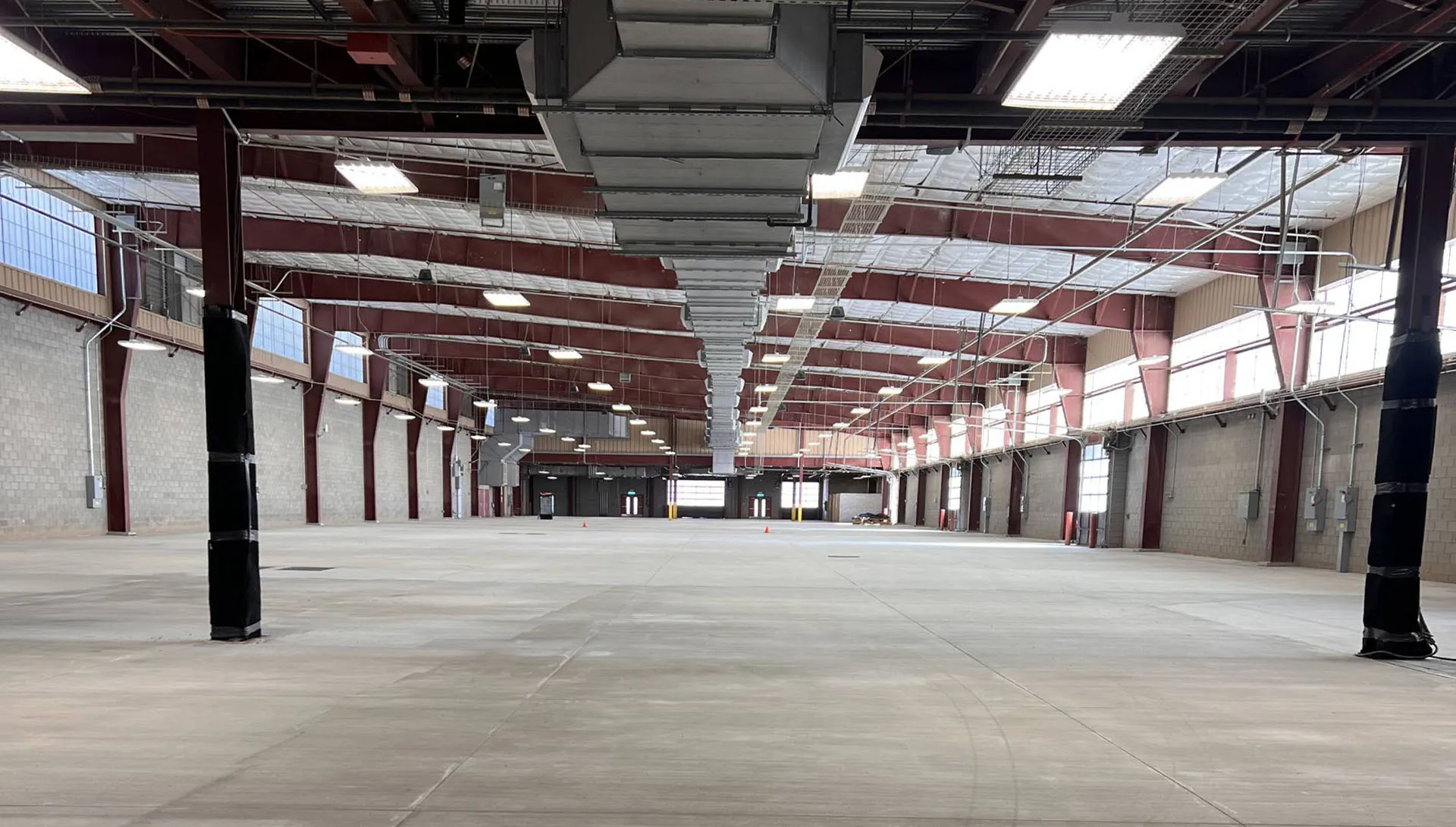
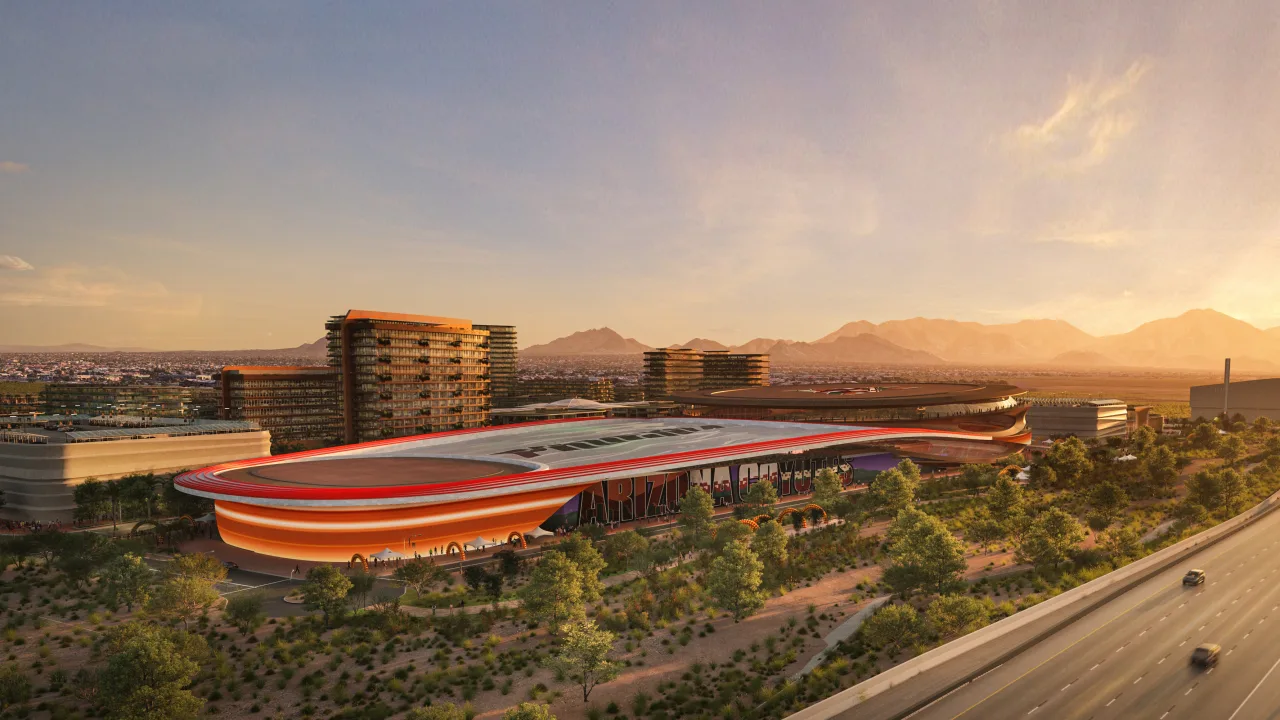
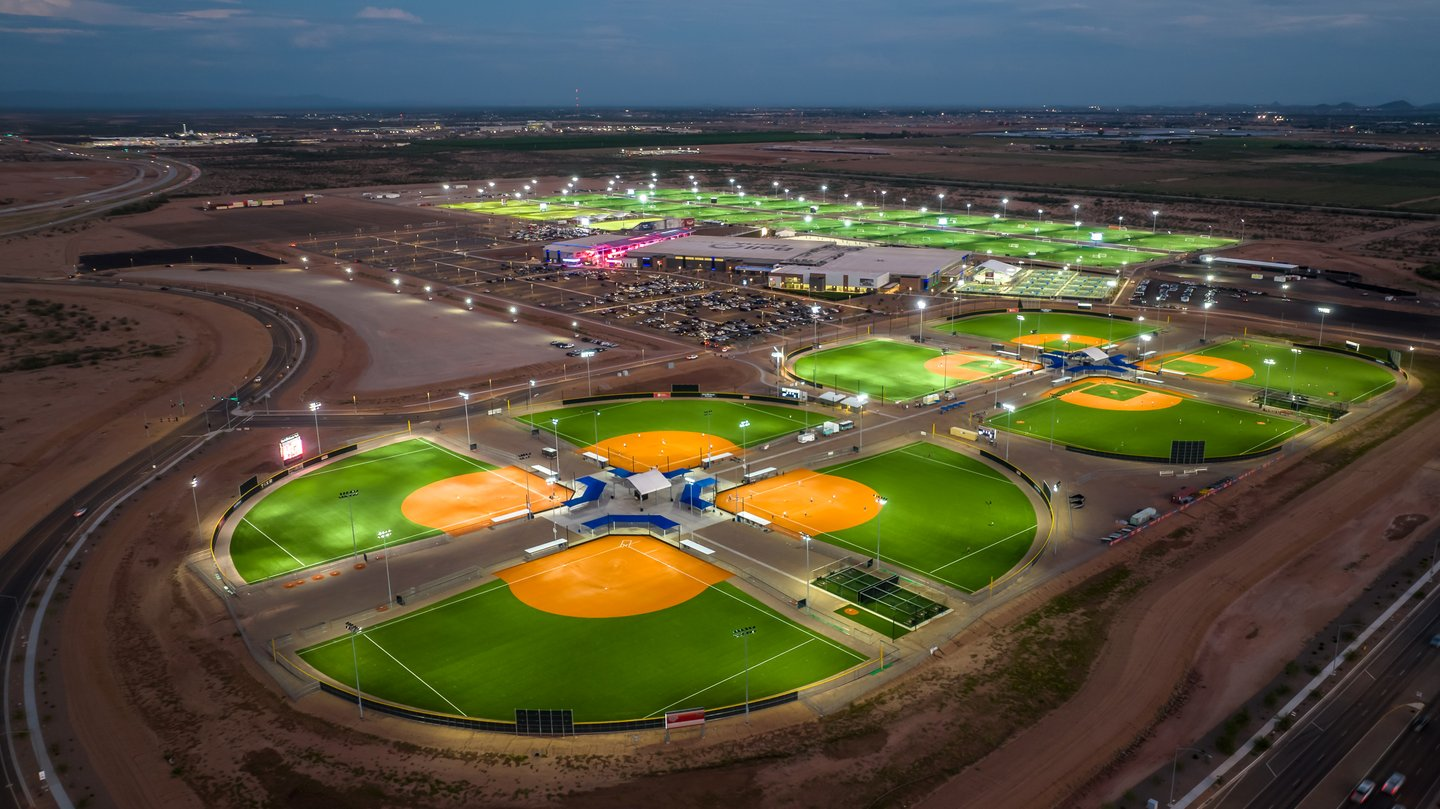
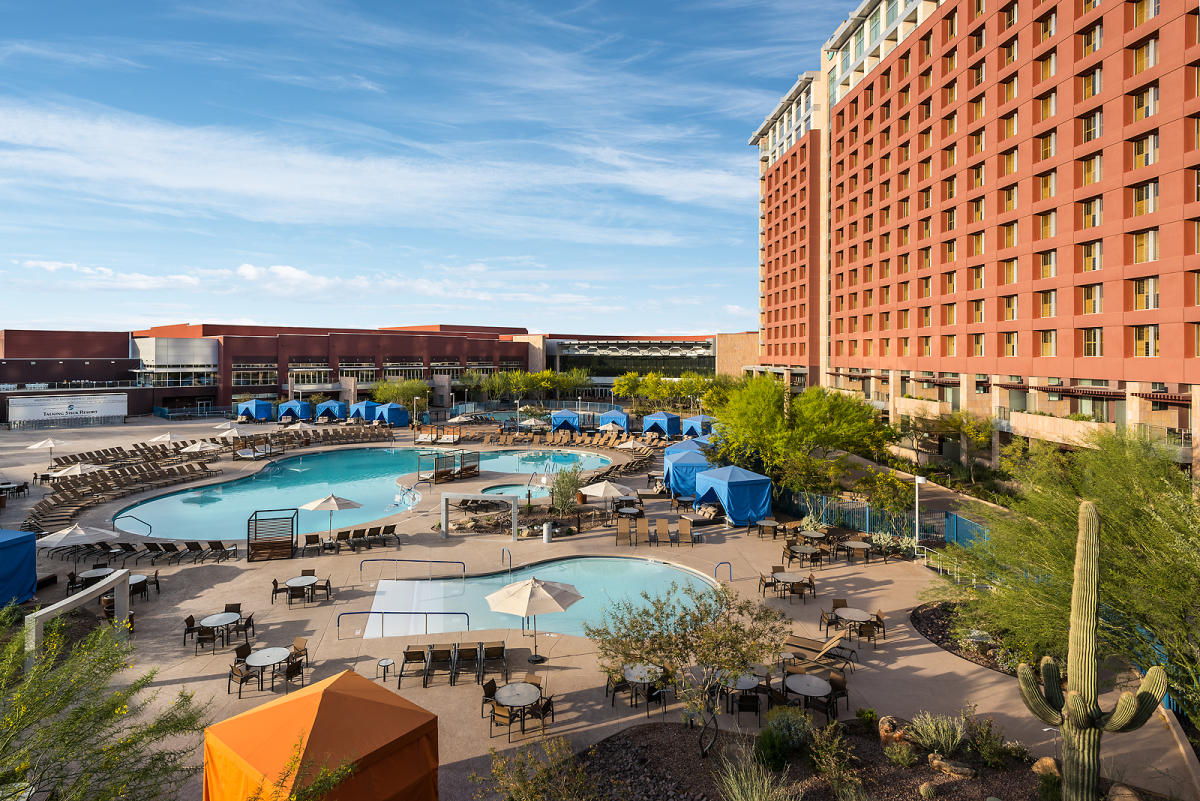
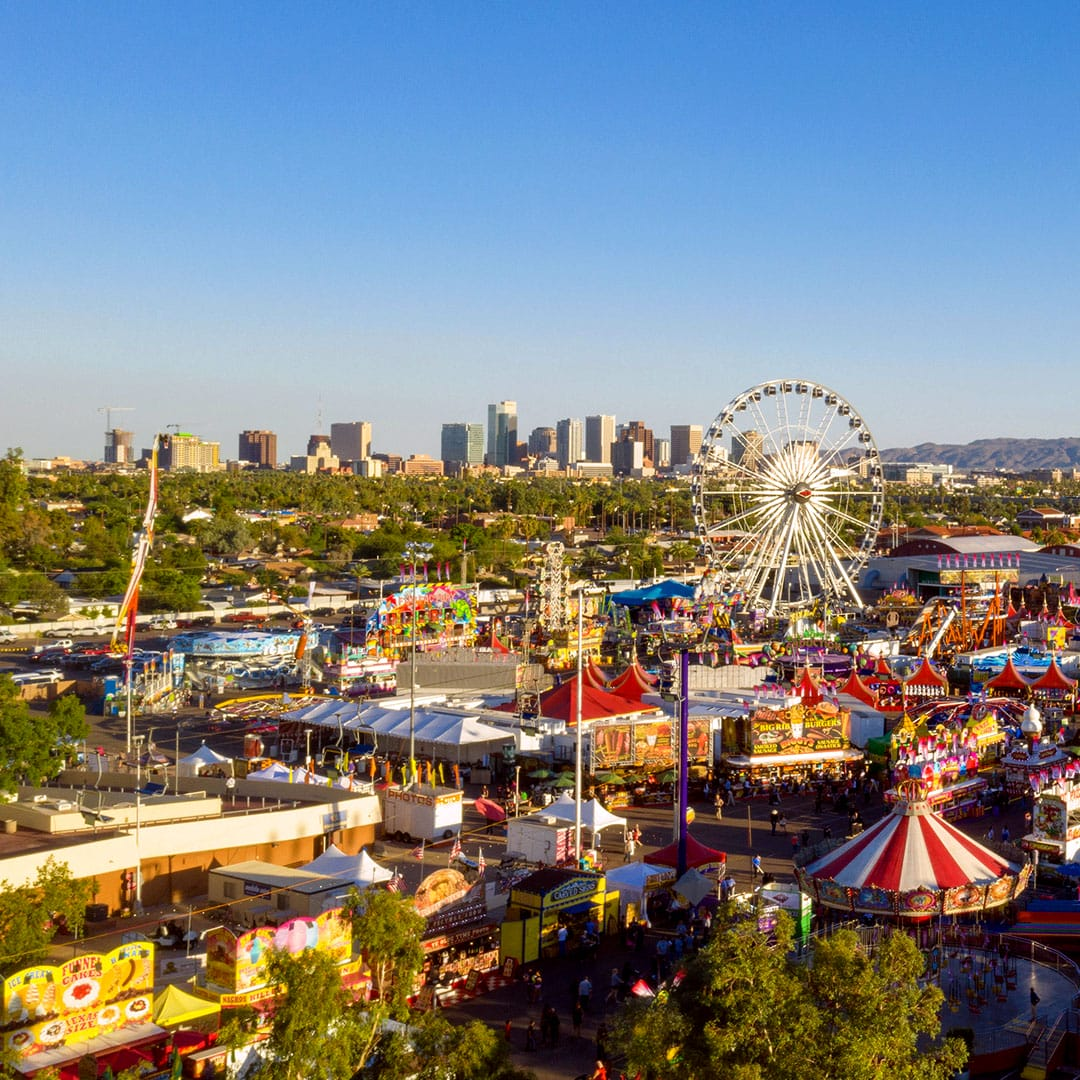
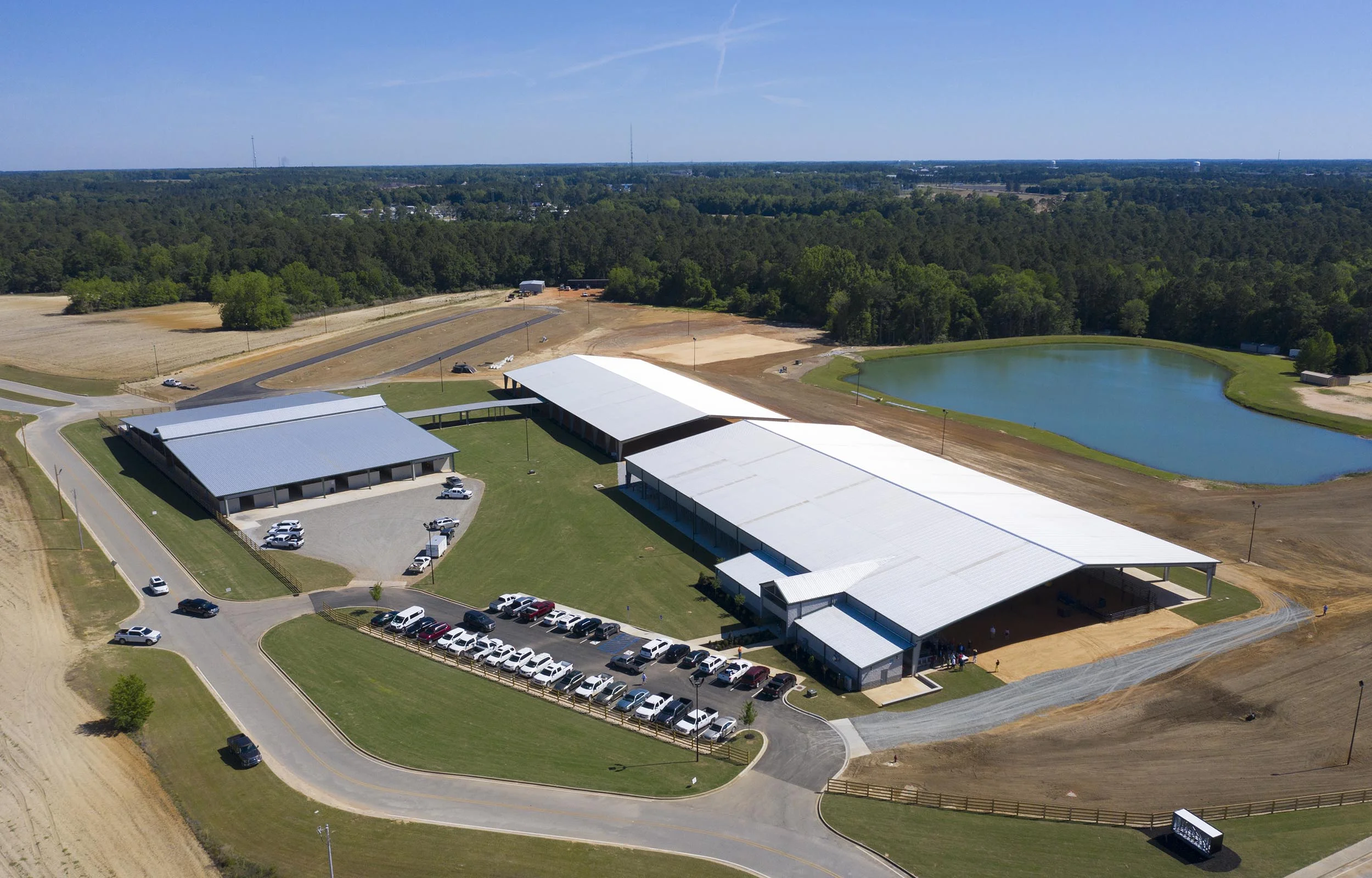
Across pages that means referencing places such as WestWorld of Scottsdale, Equidome, Monterra, the North Hall, the South Hall only where they genuinely support the planning advice for the route.
Scottsdale, AZ supports a layered event market rather than a single hall-and-hotel story, so venues planning works best when it starts with district fit, audience movement, and venue rules instead of generic scope assumptions.
The strongest demand signals in the research bundle center on Semiconductors, Software, Aerospace and Defense, Biosciences, Healthcare Innovation, which changes the kind of floor plan, demo flow, meeting space, and follow-up infrastructure that tends to perform well.
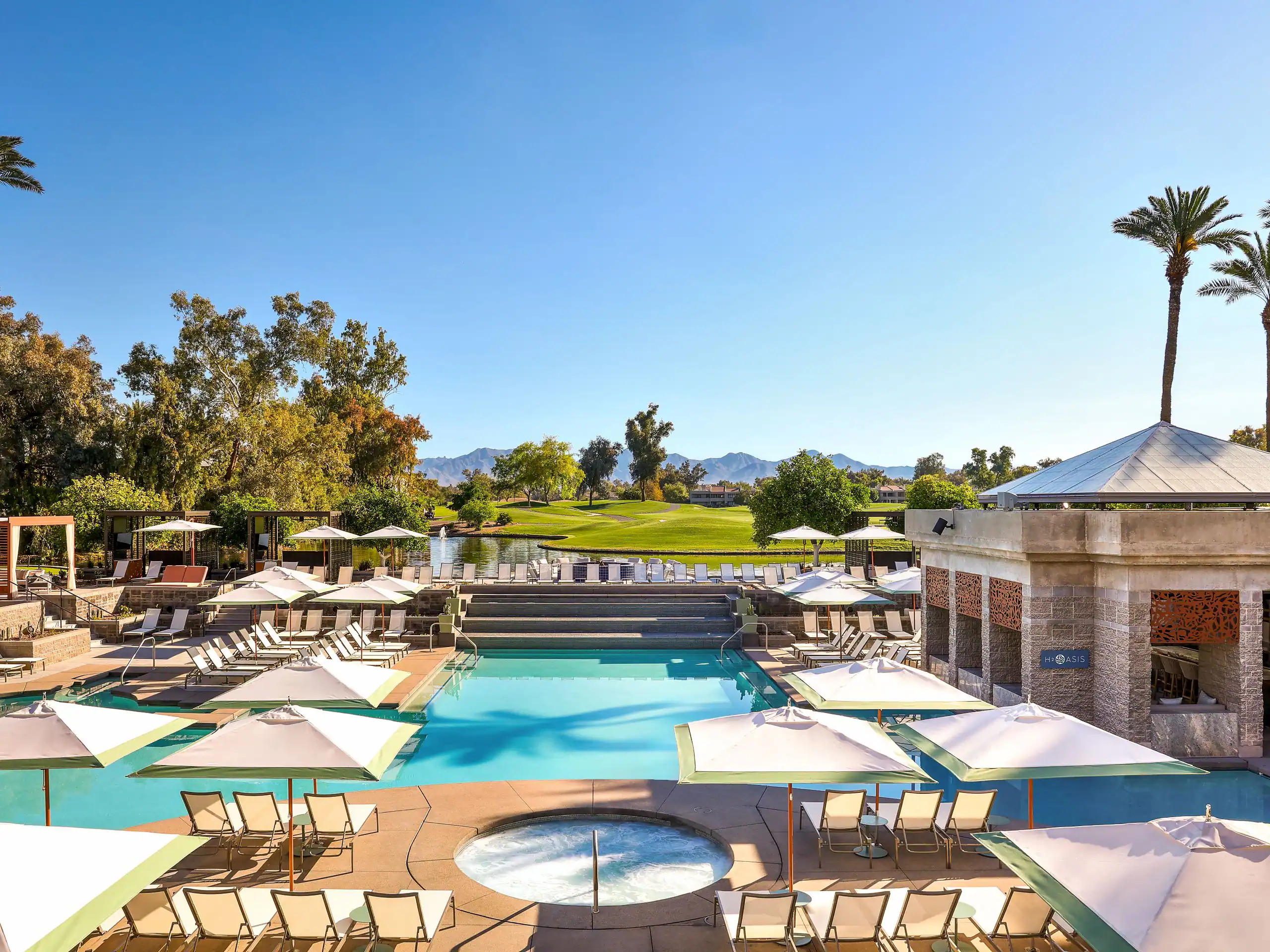
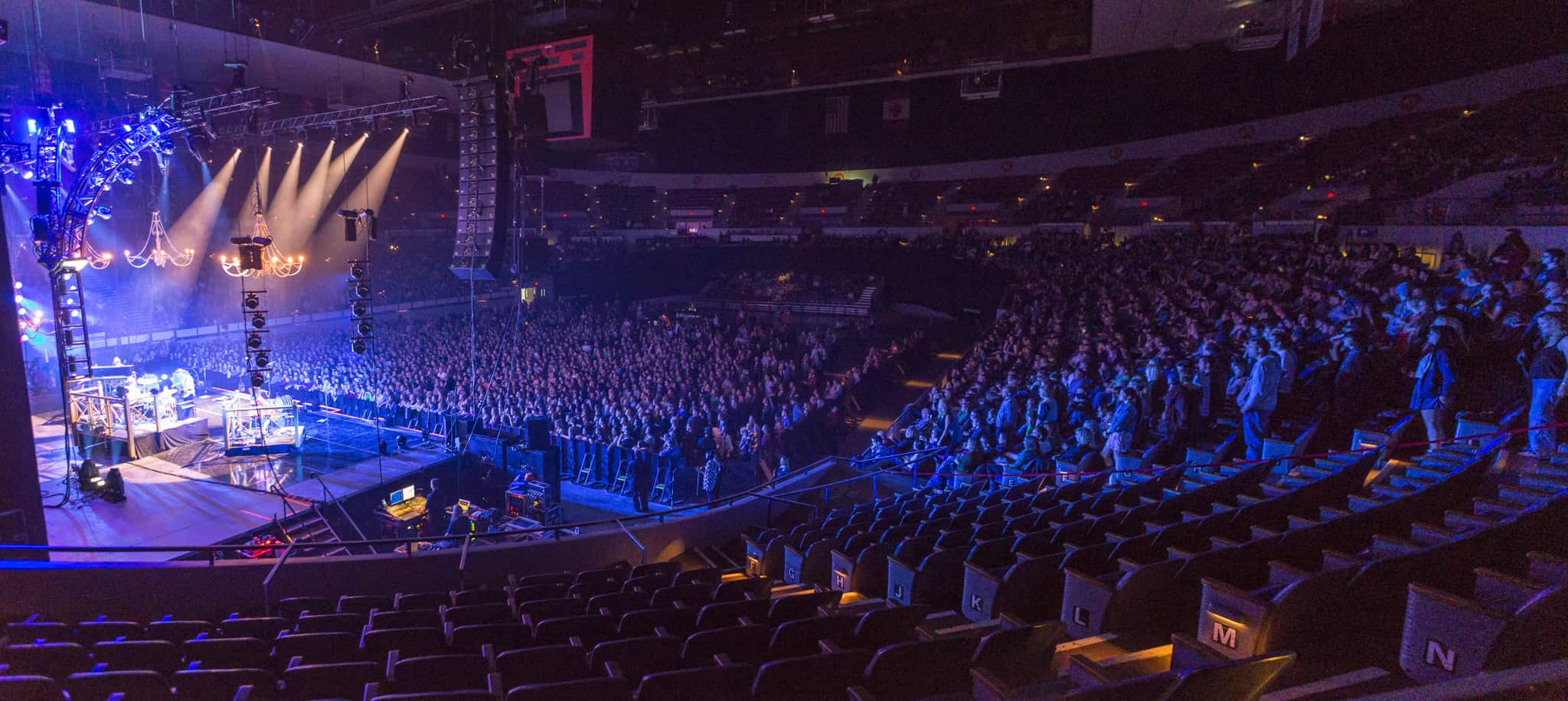
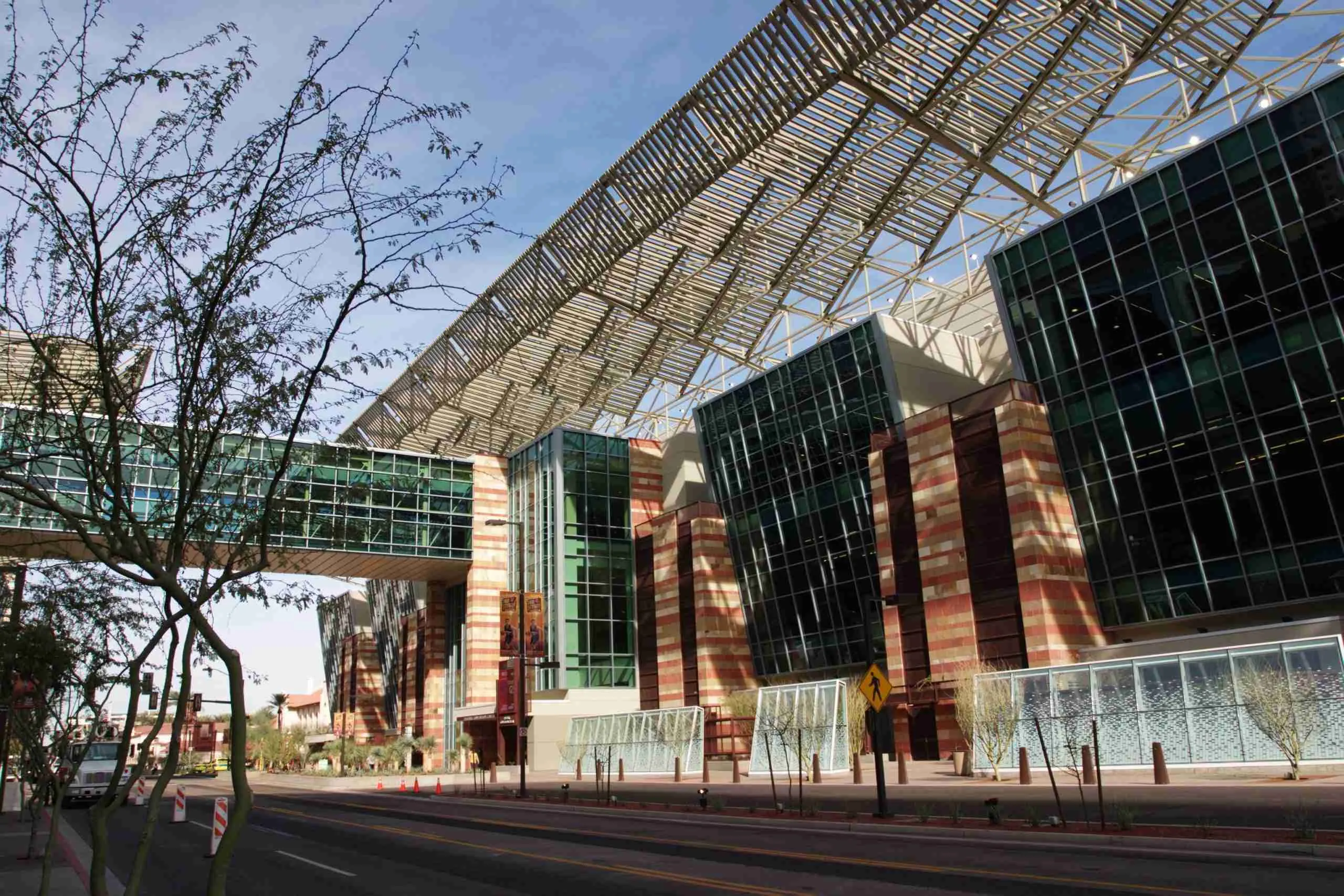
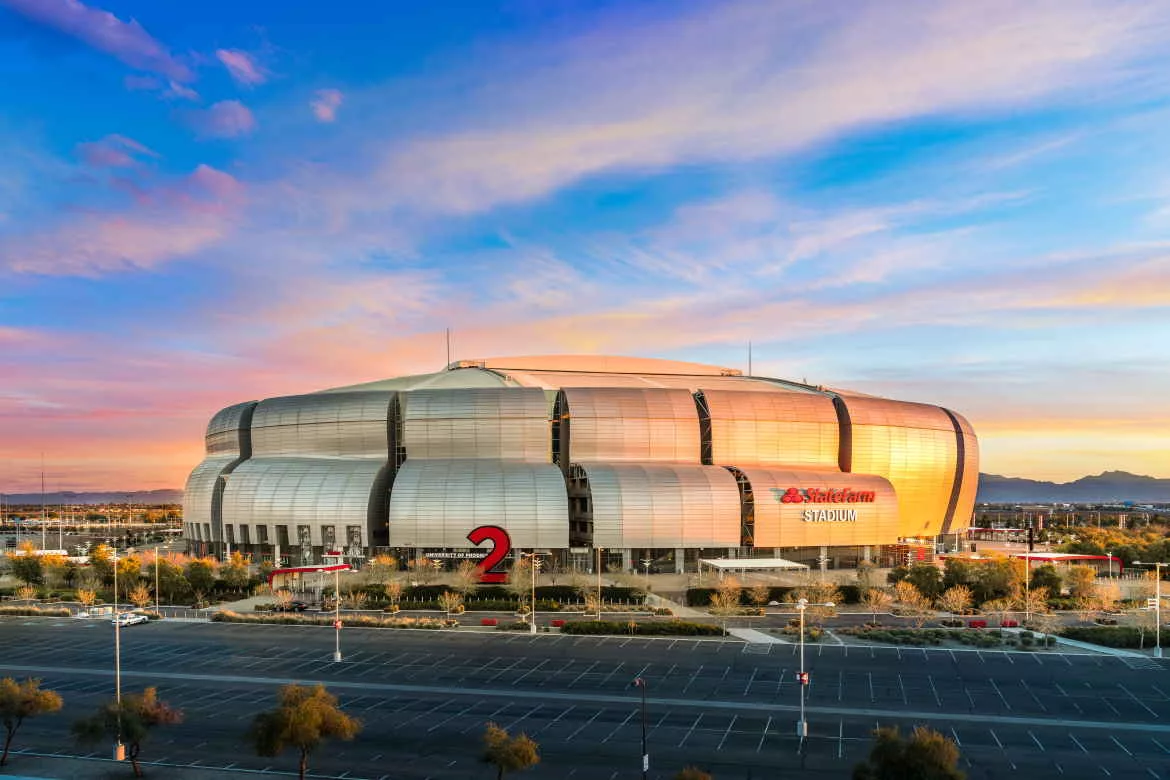
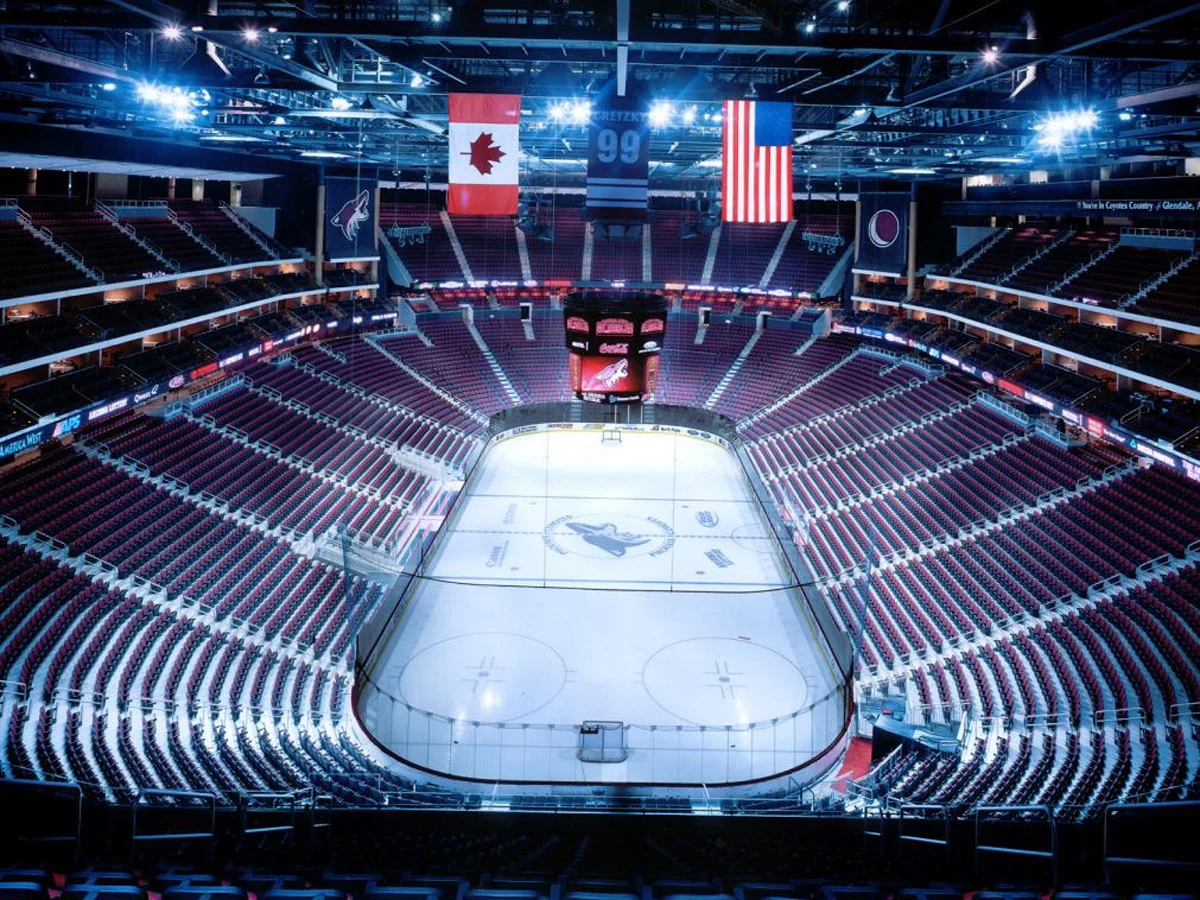
Primary venues and venue clusters tied to this market include WestWorld of Scottsdale, Equidome, Monterra, the North Hall, the South Hall, each with a different operating rhythm around access, exhibitor expectations, and attendee circulation.
The active location targets in the research bundle include Scottsdale, AZ, Old Town Scottsdale, AZ, South Scottsdale, AZ, North Scottsdale, AZ, Scottsdale Airpark, AZ, McCormick Ranch, Scottsdale, AZ, and each one shifts the practical decisions around freight timing, guest flow, hotel adjacency, and what kind of visitor-facing setup feels appropriate.
Core planning usually comes down to matching the right venues scope to the building and the audience, then protecting the schedule against the bottlenecks that are common in the chosen submarket.
The rank-and-rent requirement matters here: the copy needs to stay informative, grounded, and useful without pretending to operate a local crew base, warehouse, or venue-side relationship network.
For users, the value is clear guidance around venue selection, district fit, logistics sequence, power and labor considerations, and what to send over first so scope and pricing conversations start from real constraints.
A strong brief includes dates, the likely venue or district, approximate footprint, audience profile, and the operational goal behind the program, whether that means lead capture, product demonstrations, executive meetings, or broad brand visibility.
When that information is in hand early, the resulting recommendation can stay tied to the actual market conditions in Scottsdale instead of drifting into recycled assumptions that do not fit the route.
Planner questions
It should follow the district, venue mix, and buyer profile. Downtown convention routes, resort routes, and suburban business routes rarely work with the same planning emphasis.
Because the operating realities change too much from one submarket to another. Reliable copy needs to reflect the actual venue cluster, event type, and audience expectations tied to the route.
Dates, likely venue or district, footprint, audience type, and whether the program is demo-heavy, meeting-heavy, or primarily designed around broad brand exposure.
Yes. It keeps the writing anchored to published market and venue information instead of recycled phrasing or unsupported local claims.
Ready to brief your project?
Share the dates, likely venue or district, and the event objective so the recommendation can match the real operating conditions in Scottsdale.