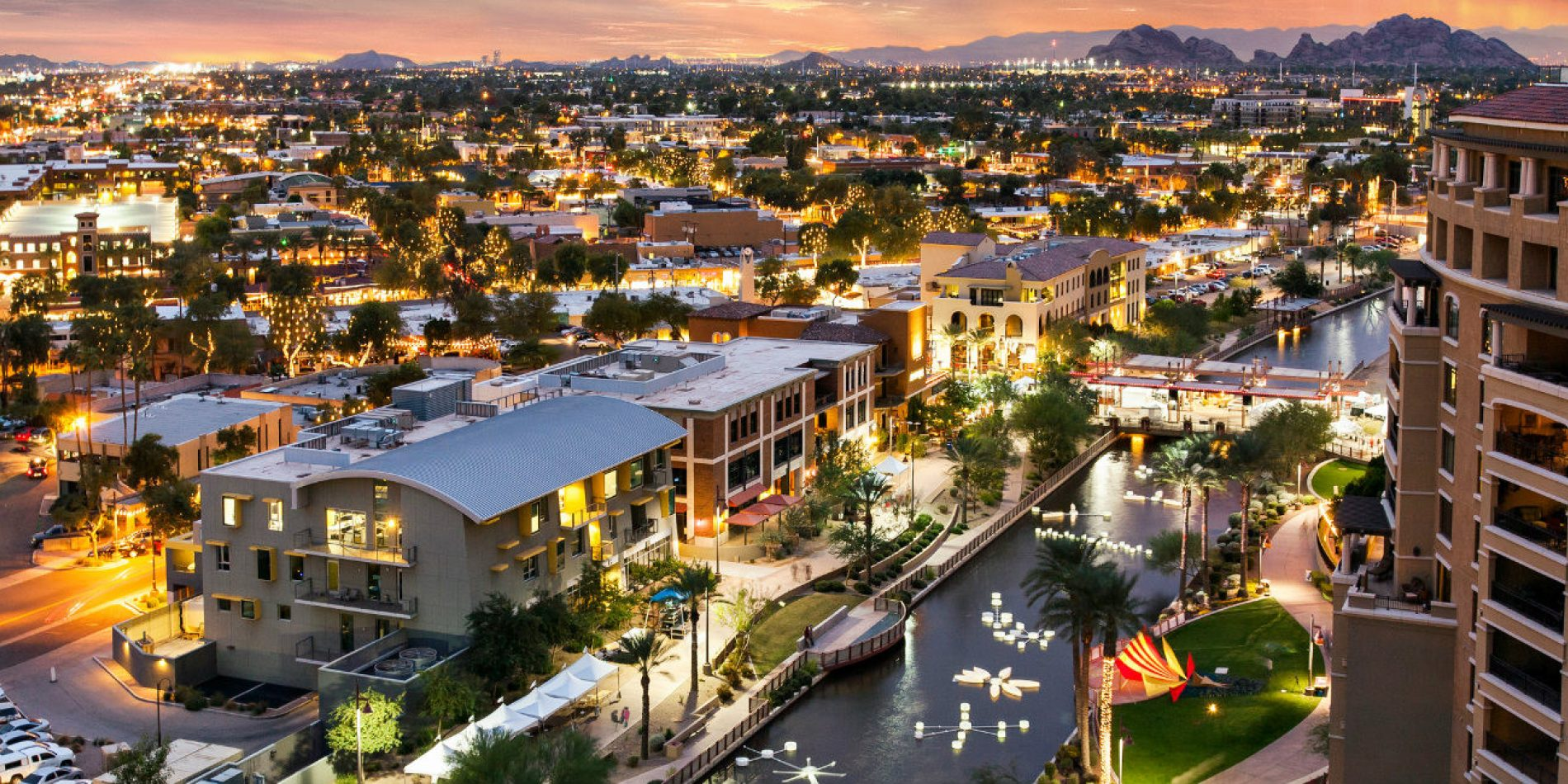
Scottsdale is not one event market, it is several stitched together by Scottsdale Road and the Loop 101. North of Bell Road is WestWorld's expo and equestrian footprint, the civic core around Old Town holds the performing arts venue and the walkable hotel row, and the resort belt along Camelback Mountain covers the Fairmont, the Phoenician, and Omni Montelucia.
Because those pockets serve different kinds of programs, a citywide plan tends to miss the details that actually determine cost and timing. A large trade show with heavy freight belongs at WestWorld, where the North Hall and South Hall were built for that load. A corporate conference or incentive program is usually better served by a resort ballroom with in-house AV and a golf course attached.
This overview page exists to route planning toward the right district before the brief gets built. The neighborhood pages that follow go deeper on Old Town, South Scottsdale, North Scottsdale, the Airpark, McCormick Ranch, and Kierland, each with its own venue mix, drive times, and audience expectations.
Execution priorities
- Matching the program to the right Scottsdale district
- WestWorld expo capacity versus resort ballroom capacity
- Move-in access and freight routing by venue
- Hotel block strategy across the resort corridor
- Coordinating with Phoenix venues when Scottsdale space is full
Why Scottsdale splits into districts
Scottsdale stretches roughly thirty miles from the McDowell Mountains south to the Salt River, and the character of the city changes noticeably along that length. The northern half is newer, centered on golf communities and the WestWorld complex; the southern half, closer to Tempe and the airport, is older, denser, and more industrial in places.
That geography matters for planning because a venue decision in Scottsdale is really a district decision first. Once the district is set, the venue list narrows fast, and so does the realistic hotel radius, the freight route, and the labor call.
A planner who starts from a single citywide budget number usually ends up with the wrong district anyway, because rental rates, labor call minimums, and hotel rates differ enough between WestWorld, the resort belt, and Old Town that averaging them produces a figure that fits none of the three.
WestWorld and the expo corridor
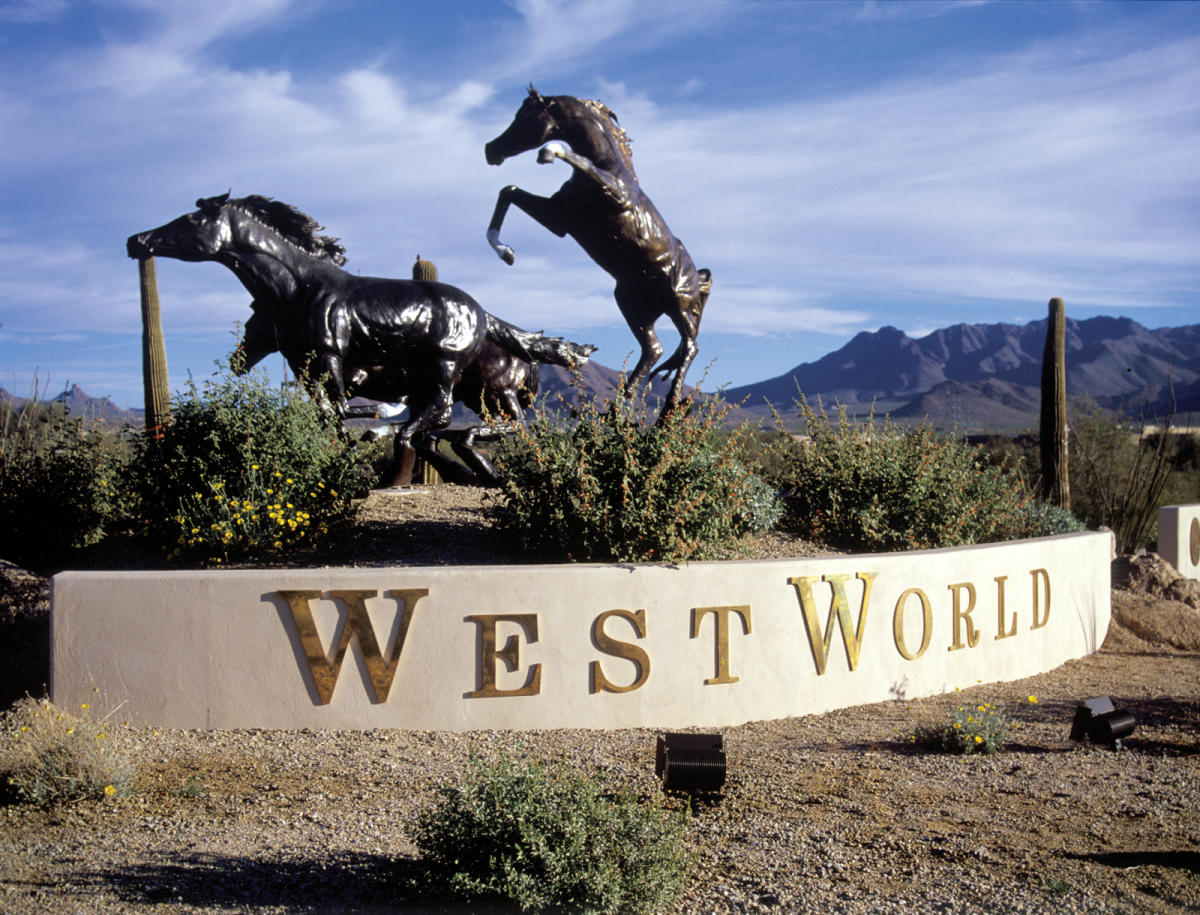
WestWorld of Scottsdale is the anchor for large-footprint events in the city. Its component spaces, the Equidome, Monterra, the North Hall, the South Hall, the Arenas, and the Fields, give planners a range from a compact 20,000-square-foot hall to a full multi-building takeover with outdoor overflow.
The complex was originally built for equestrian and horse-show use, which shows up in wide vehicle access, hard-packed outdoor arenas that convert well to overflow parking or outdoor activation, and a layout that tolerates heavy vehicle and livestock traffic. That same infrastructure works well for consumer shows, auctions, and large B2B expos that need drive-in access.
The resort ballroom belt
Running along Camelback Mountain and the northern edge of Paradise Valley, resorts including the Fairmont Scottsdale Princess, the JW Marriott Scottsdale Camelback Inn, The Phoenician, and Omni Scottsdale Resort & Spa at Montelucia give the city its conference and incentive capacity.
These properties compete on ballroom finish, breakout room count, and resort amenities rather than raw square footage, and most exhibitor build is done through in-house AV and decorator relationships rather than an outside general contractor bringing a full crew.
Old Town and the civic core
Old Town Scottsdale holds the Scottsdale Center for the Performing Arts along with a dense hotel and restaurant cluster that supports smaller conferences, galas, and evening programs that lean on the district's walkability rather than a single large hall.
Talking Stick Resort and the Grand Hyatt Scottsdale Resort sit close enough to Old Town to function as an extension of that hotel inventory when the walkable core runs out of rooms.
Industry mix behind the demand
Greater Phoenix's semiconductor, aerospace and defense, bioscience, healthcare innovation, and advanced manufacturing sectors are a large part of what fills Scottsdale's meeting calendar, alongside the golf, incentive travel, and consumer events the city is known for.
That mix means Scottsdale hosts everything from a 200-person medtech advisory board meeting in a resort boardroom to a multi-day consumer expo with several thousand daily visitors at WestWorld, and the planning approach needs to match which of those a given program actually is.
The same industry base also drives a steady calendar of smaller supplier days, regional sales meetings, and single-day showcases that never need a full expo hall but still want a Scottsdale address for the audience they are trying to reach.
Planning priorities to set early
The first real decision is district, not venue name. Once a planner knows whether the program is a large-footprint expo, a mid-size conference, or a resort-based incentive event, the venue shortlist and the realistic budget range both become clear.
After that, the next priorities are dates against Scottsdale's peak season, which runs roughly October through April, and whether the audience is flying in through Sky Harbor or driving from within the Valley, since that changes hotel strategy and ground transportation planning.
Budget, scheduling, and risk controls
Scottsdale's peak season pricing is real. Resort rates and venue rental both climb from roughly November through March, and WestWorld's calendar fills early around its marquee equestrian and automotive events, so a program that can move to shoulder season usually gets better rates and easier access.
Risk control comes from locking the venue and room block early enough that labor, freight, and AV can be scoped against the confirmed space rather than an assumption.
It also helps to confirm move-in and move-out windows against the venue's own calendar early, since WestWorld and the busier resorts often have back-to-back bookings that leave a narrow changeover window during peak months.
What a strong brief should include
A workable first brief does not need to be polished, it needs the handful of facts that actually change the recommendation. Floor plans or exhibitor kits from a prior year of the same event are especially useful because they remove guesswork about footprint and flow.
- Preferred dates and flexibility around Scottsdale's peak season
- Expected attendance and whether the audience is local or flying in
- Footprint needs, expo hall versus resort ballroom versus outdoor
- Any prior-year floor plans, exhibitor kits, or venue history
When Phoenix venues make more sense
Not every program belongs in Scottsdale. Larger conventions with heavy general session requirements often fit better at the Phoenix Convention Center, and programs anchored around a specific stadium event may point toward Chase Field, Footprint Center, or State Farm Stadium instead.
Part of a good recommendation is being honest about that boundary rather than forcing a Scottsdale answer onto a program that is really a downtown Phoenix or Tempe fit. Sky Harbor's proximity to downtown Phoenix also makes those venues an easier fly-in option for attendees who would otherwise face a longer transfer out to the Scottsdale resort corridor.
Frequently asked questions
Which Scottsdale venue fits a large trade show with heavy freight?
WestWorld of Scottsdale is usually the right starting point. Its North Hall and South Hall were built for drive-in freight access and heavy exhibitor load, and the outdoor arenas give room for overflow parking or activation space that resort ballrooms cannot match.
Is Old Town Scottsdale walkable enough to skip shuttles?
For a program contained entirely within Old Town's hotel and restaurant cluster, yes. Once the audience needs WestWorld or a resort north of downtown, shuttle planning becomes necessary because the districts are several miles apart along Scottsdale Road.
When is Scottsdale's peak pricing season?
Roughly October through April, when both resort rates and WestWorld's calendar are at their busiest. Programs with date flexibility often get meaningfully better rates and easier venue access by targeting May through September instead.
How does a planner choose between a resort ballroom and WestWorld?
Footprint and freight are the deciding factors. A conference or incentive program under a few hundred people with light AV needs fits a resort ballroom well. A show with truck-in exhibits, heavy rigging, or several thousand daily attendees needs WestWorld's expo infrastructure.
Can Scottsdale and Phoenix venues be combined in one program?
Yes, and it is common. A general session or expo floor at the Phoenix Convention Center paired with a closing gala or executive dinner at a Scottsdale resort is a workable split when the audience is willing to travel between the two.
What should be confirmed before requesting a formal quote?
Dates, expected attendance, and whether the event needs expo-hall freight access or resort-style meeting space. Those three facts determine which district and which venue shortlist actually apply, which keeps the first quote from being a guess. It also helps to know whether hotel inventory needs to be split across more than one property, which is common for a large citywide block in Scottsdale.